- What is Fatty Liver Disease Anyway?
- The Low-Carb Approach: Cutting Sugars and Starches
- The Low-Fat Approach: Traditional Wisdom
- So Which One Actually Works Better?
- The Real Answer: Quality Matters More Than Type
- What to Actually Eat for a Healthy Liver
- My Practical Recommendations
- The Weight Loss Factor
- Beyond Diet: Other Important Factors
- What Works Long-Term
- Monitoring Your Progress
- Common Mistakes to Avoid
- The Bottom Line
If you’ve been diagnosed with fatty liver disease, you’re probably confused about which diet to follow. Your friend tells you to go low-carb. Your doctor might suggest low-fat. And the internet? Well, that’s just a mess of conflicting advice.
I get it. I’ve been there too.
The truth is, both diets can work for fatty liver, but they work differently. Let me walk you through what I’ve learned from research and real-world experience.
What is Fatty Liver Disease Anyway?
Before we jump into diets, let’s quickly cover what fatty liver actually means. Nonalcoholic fatty liver disease (NAFLD) happens when your liver stores too much fat. Think of it like your liver becoming a fat storage unit when it should be filtering toxins and helping with digestion.
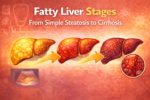
The scary part? Fatty liver can progress to something worse called NASH (nonalcoholic steatohepatitis), where inflammation damages liver cells. If left unchecked, this can lead to cirrhosis or even liver failure.
The good news? Diet can reverse fatty liver in many cases. You’re not stuck with this forever.
The Low-Carb Approach: Cutting Sugars and Starches
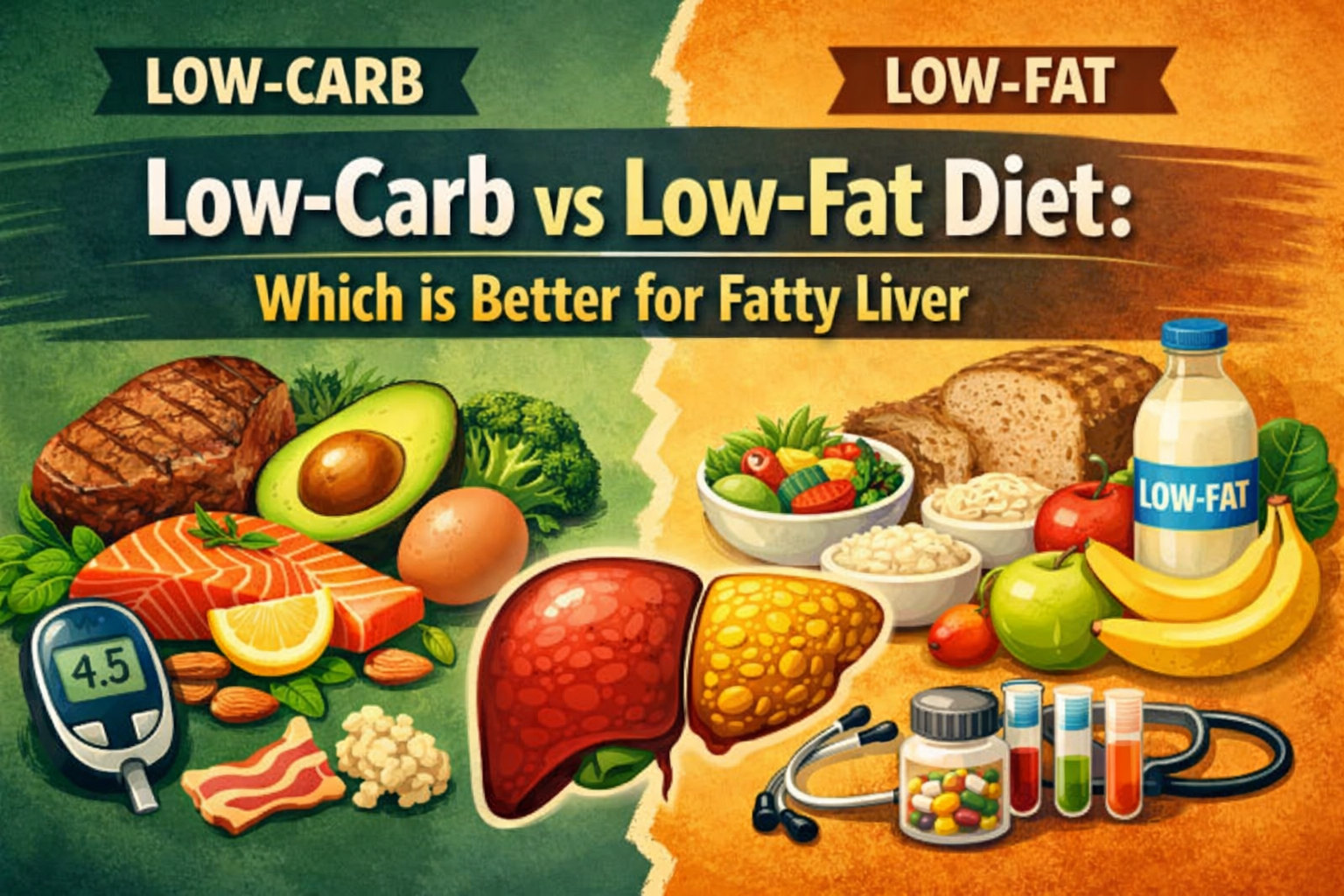
Low-carb diets have become really popular for fatty liver, and there’s good reason why. When you eat fewer carbs, especially refined ones like white bread, pasta, and sugary drinks, several things happen in your body.
How Low-Carb Helps Your Liver
Research shows that reducing carbohydrates can dramatically reduce liver fat. In one study, people on a very low-carb diet (less than 20 grams daily) lost 55% of their liver fat compared to 28% on a low-fat diet, even though both groups lost similar amounts of weight.
That’s a huge difference.
Why does this happen? When you eat lots of carbs, your body releases insulin. Insulin is like a storage hormone that tells your body to pack away fat, including in your liver. By cutting carbs, you reduce insulin levels, and your liver starts burning fat instead of storing it.
Low-carb diets also help with insulin resistance, which is a major problem in fatty liver disease. Many people with fatty liver also have insulin resistance or type 2 diabetes. A low-carb diet addresses both issues at once.
What Does Low-Carb Look Like?
A typical low-carb diet for fatty liver might include:
- Lots of vegetables (especially leafy greens)
- Good quality proteins like fish, chicken, eggs, and lean meats
- Healthy fats from avocados, olive oil, nuts, and seeds
- Limited grains and starches
- Very little sugar or sweetened foods
Some people go very strict with keto-style eating (under 50 grams of carbs daily), while others just reduce carbs to around 100-150 grams per day. Both approaches can help.
The Downside
Here’s the thing though – low-carb diets aren’t perfect for everyone. Some people find them hard to stick with long-term. Cutting out bread, rice, pasta, and potatoes feels like giving up comfort foods for many people.
Also, there’s some conflicting research. A few studies showed that extremely low-carb ketogenic diets might actually increase liver fat in some cases, though this seems to be the exception rather than the rule.
The Low-Fat Approach: Traditional Wisdom
Low-fat diets have been the standard recommendation for decades. The idea is simple: if you have a fatty liver, reduce dietary fat.
How Low-Fat Helps Your Liver
Low-fat diets can definitely improve fatty liver disease. Studies show they reduce liver enzymes (markers of liver damage) and help with weight loss. They also tend to lower cholesterol levels, which is important since many people with fatty liver have high cholesterol.
The key is focusing on the right kinds of foods – whole grains, fruits, vegetables, lean proteins, and very limited saturated fats from red meat and full-fat dairy.
What Does Low-Fat Look Like?
A typical low-fat diet for fatty liver includes:
- Plenty of fruits and vegetables
- Whole grains like oats, brown rice, and whole wheat bread
- Lean proteins like chicken breast, fish, and legumes
- Low-fat or non-fat dairy products
- Very limited oils, nuts, and fatty foods
Fat intake is usually kept under 30% of total daily calories.
The Downside
The problem with low-fat diets is that they often replace fat with carbohydrates. And if those carbs are refined (white bread, white rice, sugary cereals), you might actually make your fatty liver worse.
Also, cutting fat too much can leave you feeling hungry all the time. Healthy fats help you feel satisfied after meals. Without enough fat, people often end up snacking more and eating more calories overall.
So Which One Actually Works Better?
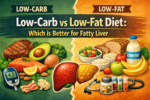
Here’s where it gets interesting. Research shows that both diets can work, but low-carb diets might have a slight edge for liver fat reduction.
Several studies found that low-carb diets reduced liver fat more effectively than low-fat diets, even when people lost the same amount of weight. The reduction in insulin levels and improved insulin sensitivity seems to give low-carb an advantage.
However, low-fat diets were better at reducing certain liver enzymes and might be easier for some people to follow long-term.
The Real Answer: Quality Matters More Than Type
After looking at all the research, here’s what I’ve concluded – the quality of your diet matters more than whether it’s low-carb or low-fat.
Both approaches work when they focus on whole, unprocessed foods. Both fail when they rely on processed junk.
The Mediterranean Solution
Many experts now recommend a Mediterranean-style diet for fatty liver disease. This isn’t strictly low-carb or low-fat. Instead, it emphasizes:
- Lots of vegetables and fruits
- Whole grains in moderation
- Healthy fats from olive oil, nuts, and fatty fish
- Lean proteins
- Very little red meat, sugar, or processed foods
This approach gives you the benefits of both worlds. You get healthy fats that help reduce inflammation and keep you satisfied. You get moderate amounts of healthy carbs for energy. And you avoid the refined carbs and unhealthy fats that damage your liver.
What to Actually Eat for a Healthy Liver
Regardless of which approach you choose, here are the foods that consistently help fatty liver:
Eat More:
- Leafy greens (spinach, kale, lettuce)
- Colorful vegetables (bell peppers, carrots, broccoli)
- Fatty fish (salmon, mackerel, sardines)
- Nuts and seeds (especially walnuts)
- Olive oil and avocado oil
- Berries and other fruits
- Legumes (beans, lentils, chickpeas)
- Green tea
Eat Less:
- Added sugars and high fructose corn syrup
- Refined grains (white bread, white pasta)
- Fried foods
- Red meat and processed meats
- Full-fat dairy (butter, cheese, ice cream)
- Alcohol
- Sodas and sweetened beverages
My Practical Recommendations
After everything I’ve learned, here’s what I suggest:
If you have diabetes or severe insulin resistance: Try a lower-carb approach. Focus on keeping your carbs under 100-150 grams per day, choosing whole food sources like vegetables, beans, and limited whole grains.
If you don’t have diabetes: A Mediterranean-style diet with moderate carbs and healthy fats is probably your best bet. It’s easier to stick with long-term and gives you more flexibility.
If you’re not sure: Start by eliminating the obvious bad stuff – sugary drinks, desserts, fried foods, and processed snacks. See how you feel after a month. Then adjust from there.
The Weight Loss Factor
Here’s something important that often gets overlooked – any diet that helps you lose weight will improve fatty liver disease.
Losing just 7-10% of your body weight can significantly reduce liver fat and inflammation. For someone weighing 200 pounds, that’s only 14-20 pounds.
You don’t need to lose massive amounts of weight. Small, consistent changes add up.
Beyond Diet: Other Important Factors
Diet is crucial, but it’s not everything. Here are other things that help:
Exercise regularly: Aim for at least 150 minutes of moderate activity per week. Even walking counts. Exercise reduces liver fat independent of weight loss.
Limit sitting time: Too much sitting is bad for your liver. Take breaks to stand and move around.
Get good sleep: Poor sleep is linked to fatty liver disease. Aim for 7-9 hours nightly.
Manage stress: Chronic stress can worsen insulin resistance and make it harder to lose weight.
Stay hydrated: Drink plenty of water throughout the day.
What Works Long-Term
The best diet for fatty liver is the one you can actually stick with for years, not just weeks or months.
If cutting carbs makes you miserable and you can’t imagine life without bread, don’t force yourself into a strict low-carb diet. You’ll probably give up and gain the weight back.
If eating lots of fat makes you feel sick or goes against your cultural food traditions, don’t force it.
Find an approach that:
- Helps you lose weight gradually
- Includes foods you actually enjoy
- Fits your lifestyle and budget
- You can maintain without feeling deprived
Monitoring Your Progress
How do you know if your diet is working? Your doctor can check:
- Liver enzyme levels (ALT and AST)
- Liver fat through ultrasound or special scans
- Body weight and waist circumference
- Blood sugar and insulin levels
- Cholesterol and triglycerides
Most people see improvements in 3-6 months if they’re consistent with diet and exercise changes.
Common Mistakes to Avoid
Going too extreme: Extremely restrictive diets usually backfire. You lose weight quickly, then gain it all back (plus more) when you can’t sustain the restrictions.
Focusing only on one thing: Some people obsess over cutting carbs while eating tons of saturated fat. Or they cut all fat while loading up on refined carbs. Balance is key.
Not reading labels: “Low-fat” packaged foods often have tons of added sugar. “Low-carb” packaged foods might be full of unhealthy fats. Read the ingredients.
Giving up too soon: It takes time to see results. Stick with healthy changes for at least 3 months before deciding they’re not working.
Ignoring portion sizes: Even healthy foods can cause weight gain if you eat too much. Pay attention to portions.
The Bottom Line
Both low-carb and low-fat diets can improve fatty liver disease. Low-carb diets might reduce liver fat slightly more effectively, especially if you have insulin resistance or diabetes. Low-fat diets can still work well and might be easier for some people to maintain.
But honestly, the specific type of diet matters less than:
- Eating whole, unprocessed foods
- Losing weight if you’re overweight
- Avoiding sugar and refined carbs
- Including healthy fats from fish, nuts, and olive oil
- Being consistent over time
Start with cutting out obvious junk food – sodas, desserts, fried foods, and highly processed snacks. Add more vegetables, lean proteins, and healthy fats. Move your body regularly. Get enough sleep.
These simple changes, done consistently, will help your liver heal regardless of whether you call your diet “low-carb” or “low-fat.”
Remember, you’re not looking for a quick fix. You’re building a sustainable, healthy lifestyle that your liver (and your whole body) will thank you for years down the road.
And if you’re feeling overwhelmed, start small. Pick one or two changes this week. Master those. Then add more. Progress, not perfection.
Your liver has an amazing ability to heal itself when you give it the right conditions. With the right dietary approach for you, patience, and consistency, you can reverse fatty liver disease and get your health back on track.
Disclaimer: This article is for informational purposes only and should not replace medical advice from your healthcare provider. Always consult with your doctor before making significant dietary changes, especially if you have existing health conditions.