Your liver is one of the most resilient organs in your body, quietly performing hundreds of essential functions every single day. But here’s the thing about your liver: it’s also incredibly stoic. It rarely complains until something is seriously wrong. This silent nature is why fatty liver disease has earned its reputation as a “silent epidemic”—affecting millions of people who have no idea they’re even at risk.
I’ve spoken with countless individuals who were shocked to discover they had fatty liver disease during a routine checkup. “I felt fine,” they’d say. “How could something be wrong with my liver when I didn’t feel sick?” This is exactly why recognizing the early warning signs is so crucial. While fatty liver disease often develops without obvious symptoms, your body does send subtle signals if you know what to look for.
Let’s dive into the early warning signs you shouldn’t ignore—because catching fatty liver disease early could be the difference between simple lifestyle changes and serious liver damage down the road.
Understanding Why Fatty Liver Is So Sneaky
Before we get into the warning signs, it’s important to understand why fatty liver disease flies under the radar for so long. Your liver has an remarkable ability to compensate for damage. Even when 30-40% of your liver is affected, it can often continue functioning normally. This resilience is wonderful for survival, but terrible for early detection.
Additionally, the liver itself has no pain receptors. You can’t “feel” your liver the way you can feel a sore muscle or upset stomach. By the time fatty liver disease causes noticeable symptoms, it’s often because the condition has progressed significantly or affected other organs and systems in your body.
This is precisely why understanding and recognizing early warning signs becomes your first line of defense.
The Most Common Early Warning Signs Of Fatty Liver
1. Persistent Fatigue That Won’t Quit
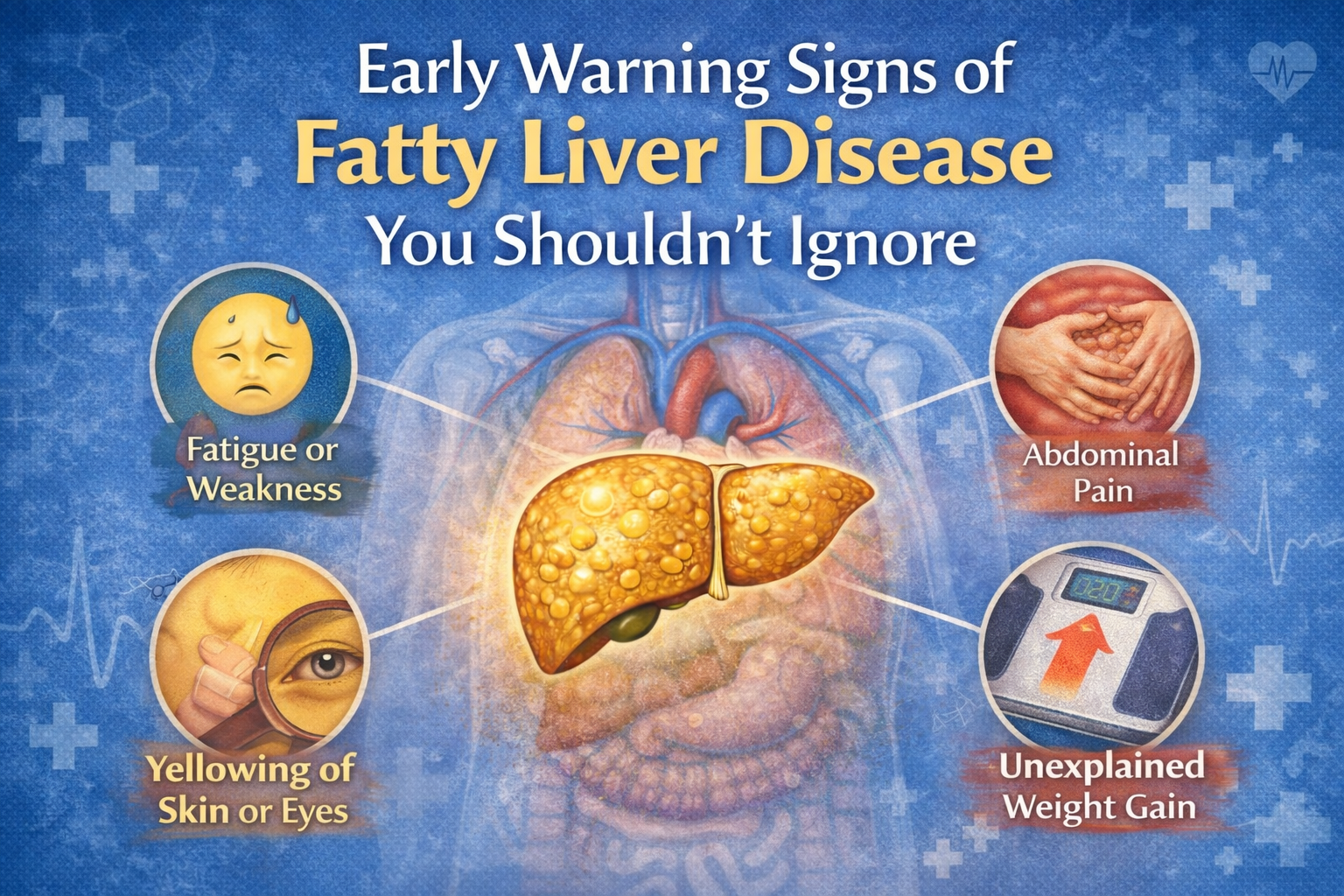
You know that bone-deep tiredness that doesn’t improve no matter how much sleep you get? That’s often the first hint something’s off with your liver. This isn’t the normal end-of-day fatigue we all experience—it’s a pervasive exhaustion that affects your daily life.
When your liver is struggling with excess fat, it can’t efficiently process nutrients and remove toxins from your blood. This metabolic slowdown leaves you feeling drained. Many people with early fatty liver disease describe feeling like they’re “running on empty” even after a full night’s rest.
Pay attention if your fatigue is accompanied by a general sense of weakness or if you find yourself needing afternoon naps when you never did before. While fatigue alone doesn’t confirm fatty liver disease—it’s a symptom of many conditions—it’s worth investigating, especially if you have other risk factors.
2. Unexplained Weight Changes
This one’s tricky because weight gain is often a cause of fatty liver disease, but it can also be a symptom. What you’re looking for are unexplained changes in your weight that don’t match your eating habits or activity level.
Some people with fatty liver disease find it increasingly difficult to lose weight despite eating well and exercising. Their metabolism seems to have hit a brick wall. Others notice gradual weight gain, particularly around the midsection, even when their lifestyle hasn’t changed.
This happens because fatty liver disease is closely tied to insulin resistance and metabolic dysfunction. When your liver can’t properly regulate blood sugar and fat metabolism, your body tends to store more fat, especially around your abdomen. If you’re struggling with stubborn belly fat that won’t budge despite your efforts, it’s worth discussing fatty liver screening with your doctor.
3. Discomfort or Fullness in the Upper Right Abdomen
While your liver itself can’t feel pain, as it enlarges from fat accumulation, it can press against surrounding tissues and the capsule that contains it. This pressure often manifests as a vague discomfort, fullness, or heaviness in the upper right side of your abdomen, just below your ribcage.
People describe this sensation in different ways. Some say it feels like a dull ache that comes and goes. Others notice a feeling of fullness after eating, even small meals. You might feel like something is “taking up space” in your upper abdomen.
This symptom is easy to dismiss—you might think it’s just indigestion or that you ate too much. But if this feeling persists over weeks or months, especially if it’s localized to the right side, it warrants attention.
4. Changes in Appetite or Nausea
A healthy liver plays a crucial role in digestion by producing bile and processing nutrients. When fatty liver disease develops, these digestive functions can become impaired, leading to changes in your appetite.
You might notice you’re not as hungry as usual, or certain foods—particularly fatty or greasy foods—suddenly don’t appeal to you or make you feel slightly nauseous. Some people experience a general sense of queasiness, especially in the morning or after meals.
These digestive changes happen because your liver isn’t producing bile as efficiently, making it harder to break down fats. Your body responds by reducing your desire for foods that are difficult to digest. If you’ve noticed your eating patterns changing without an obvious reason, it could be your liver sending an early distress signal.
5. Difficulty Concentrating and Brain Fog
Here’s a warning sign many people don’t associate with liver health: cognitive changes. When your liver isn’t functioning optimally, toxins that should be filtered out can build up in your bloodstream and affect your brain function.
This might show up as difficulty focusing on tasks, forgetfulness, mental cloudiness, or what’s often called “brain fog.” You might find yourself reading the same paragraph multiple times, forgetting why you walked into a room, or struggling to complete tasks that normally come easily to you.
While brain fog has many potential causes—from stress to sleep deprivation—when it’s combined with other symptoms on this list, it could be related to early liver dysfunction. Your brain is extremely sensitive to metabolic changes, so even subtle shifts in liver function can impact your mental clarity.
6. Skin Changes You Might Miss
Your skin can be a window into your liver health. While jaundice (yellowing of the skin) is a well-known sign of advanced liver disease, earlier changes are more subtle and often overlooked.
Look for patches of dark skin, particularly around your neck or underarms. This condition, called acanthosis nigricans, often accompanies insulin resistance and can be an early marker of metabolic dysfunction associated with fatty liver disease.
Some people notice small spider-like blood vessels appearing on their skin, particularly on the chest and arms. Others develop persistent itchiness without a rash. These skin changes occur because your liver isn’t processing certain compounds effectively, leading them to accumulate in ways that affect your skin.
7. Elevated Liver Enzymes on Routine Blood Tests
This is perhaps the most common way fatty liver disease is first detected. During routine blood work, your doctor might notice elevated levels of liver enzymes, particularly ALT (alanine aminotransferase) and AST (aspartate aminotransferase).
Here’s what’s important: these enzymes can be elevated for many reasons, and some people with fatty liver disease have normal enzyme levels. However, if your liver enzymes are consistently elevated—even mildly—and there’s no obvious explanation, it’s a red flag worth investigating.
Don’t dismiss slightly elevated enzymes as “no big deal.” Ask your doctor about further testing to determine the cause. Early investigation often reveals fatty liver disease when it’s most treatable.
8. Sleep Disturbances and Unusual Snoring
The connection between fatty liver disease and sleep problems runs deeper than you might think. Many people with NAFLD also have sleep apnea, a condition where breathing repeatedly stops and starts during sleep.
If you’ve noticed you’re snoring more than you used to, waking up gasping for air, or feeling unrested despite sleeping for adequate hours, these could be connected to fatty liver disease. The relationship works both ways—sleep apnea can worsen fatty liver disease, and fatty liver disease increases the risk of sleep apnea.
Pay attention if your partner mentions your snoring has become louder or more frequent, or if you wake up with headaches and dry mouth. These symptoms, combined with other warning signs, suggest both conditions might be at play.
The Warning Signs Of Fatty Liver That Indicate Progression
While the above symptoms can appear in early fatty liver disease, certain warning signs suggest the condition may be progressing to a more serious stage. These require immediate medical attention:
Swelling in your legs, ankles, or abdomen could indicate that your liver is struggling to produce proteins needed for fluid balance. Easy bruising or bleeding suggests your liver isn’t making enough clotting factors. Yellowing of your skin or the whites of your eyes (jaundice) indicates significant liver dysfunction. Confusion, memory problems, or personality changes could signal that toxins are building up in your bloodstream.
If you experience any of these more advanced symptoms, don’t wait—see your doctor immediately.
Who Should Pay Extra Attention
Certain people are at higher risk for fatty liver disease and should be particularly vigilant about these warning signs. You’re in a higher-risk category if you:
- Are overweight or obese, especially with excess abdominal fat
- Have type 2 diabetes or prediabetes
- Have high cholesterol or triglycerides
- Have high blood pressure
- Have metabolic syndrome
- Are over 50 years old
- Have a family history of liver disease
- Have PCOS (polycystic ovary syndrome)
- Have sleep apnea
If you check several of these boxes and notice even subtle warning signs, it’s worth discussing fatty liver screening with your healthcare provider.
What to Do If You Notice These Signs
First, don’t panic. Recognizing early warning signs is actually good news—it means you’re catching the condition at a stage when it’s most responsive to treatment. Here’s your action plan:
Schedule a doctor’s appointment. Don’t wait for your next routine checkup if you’re experiencing multiple warning signs. Be specific about your symptoms and concerns.
Request appropriate tests. Ask about liver function tests, imaging studies like ultrasound, and screening for related conditions like diabetes and high cholesterol.
Keep a symptom journal. Track your symptoms, including when they occur, their severity, and any patterns you notice. This information helps your doctor make an accurate diagnosis.
Be honest about your lifestyle. Share details about your diet, exercise habits, alcohol consumption, and medications. Your doctor needs this information to help you effectively.
The Power of Early Detection
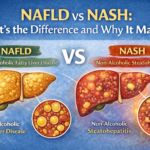
Here’s the encouraging part: catching fatty liver disease early dramatically improves your outcomes. Simple fatty liver is often completely reversible through lifestyle changes. Even if it’s progressed to NASH (non-alcoholic steatohepatitis), early intervention can halt or reverse the damage.
The key is acting on these warning signs before the disease progresses. Think of them as your liver’s way of asking for help—quietly, subtly, but persistently. By paying attention and taking action, you’re giving yourself the best chance at maintaining a healthy liver for years to come.
Trust Your Instincts
Your body is constantly communicating with you. When something feels off, even if you can’t quite put your finger on it, that intuition is worth exploring. Many people I’ve spoken with who were diagnosed with fatty liver disease say they “knew something wasn’t right” long before their diagnosis.
If you’re experiencing several of these warning signs, especially if you have risk factors for fatty liver disease, advocate for yourself. Request testing, ask questions, and don’t accept “everything’s fine” if you genuinely feel it’s not. Early detection saves livers—and lives.
Remember, your liver is remarkably forgiving. Given the right support through lifestyle changes and, when necessary, medical intervention, it has an amazing capacity to heal. But it needs you to recognize the signals it’s sending and take action before those whispers become shouts.
The warning signs are there. The question is: are you listening?
Medical Disclaimer: This article is for informational purposes only and is not intended as medical advice. If you’re experiencing any symptoms or have concerns about your liver health, consult with a qualified healthcare provider for proper diagnosis and treatment. Individual circumstances vary, and medical decisions should be made in consultation with your healthcare team.