- What Exactly is Fatty Liver Disease?
- The Global Picture: How Many People Have Fatty Liver Disease?
- The Numbers Behind Fatty Liver Disease Risk
- Children and Fatty Liver: A Growing Concern
- The Serious Side: When Fatty Liver Gets Worse
- Economic and Healthcare Impact
- Geographic and Ethnic Differences
- Why the Numbers Keep Rising
- The Silent Nature of the Problem
- Looking Ahead: Future Projections
- What These Statistics Mean for You
- The Bottom Line
If you’ve recently heard about fatty liver disease, you might be wondering just how widespread this condition really is. The answer might surprise you. Fatty liver disease has quietly become one of the most common liver conditions worldwide, affecting millions of people who often don’t even know they have it.
Let’s dive into the numbers, facts, and what they mean for you and your loved ones.
What Exactly is Fatty Liver Disease?
Before we get into the statistics, let’s quickly cover what we’re talking about. Fatty liver disease happens when too much fat builds up in your liver cells. Think of it like your liver becoming overloaded with fat it can’t process quickly enough.
Want to Learn More About Fatty Liver Disease?
Get the complete guide with everything you need to know about causes, symptoms, and treatment options.
Read the Complete Guide →There are two main types. The first is alcoholic fatty liver disease, which develops from heavy drinking over time. The second is non-alcoholic fatty liver disease, or NAFLD, which occurs in people who drink little to no alcohol. This second type has become incredibly common and is closely linked to obesity, diabetes, and metabolic syndrome.
The Global Picture: How Many People Have Fatty Liver Disease?
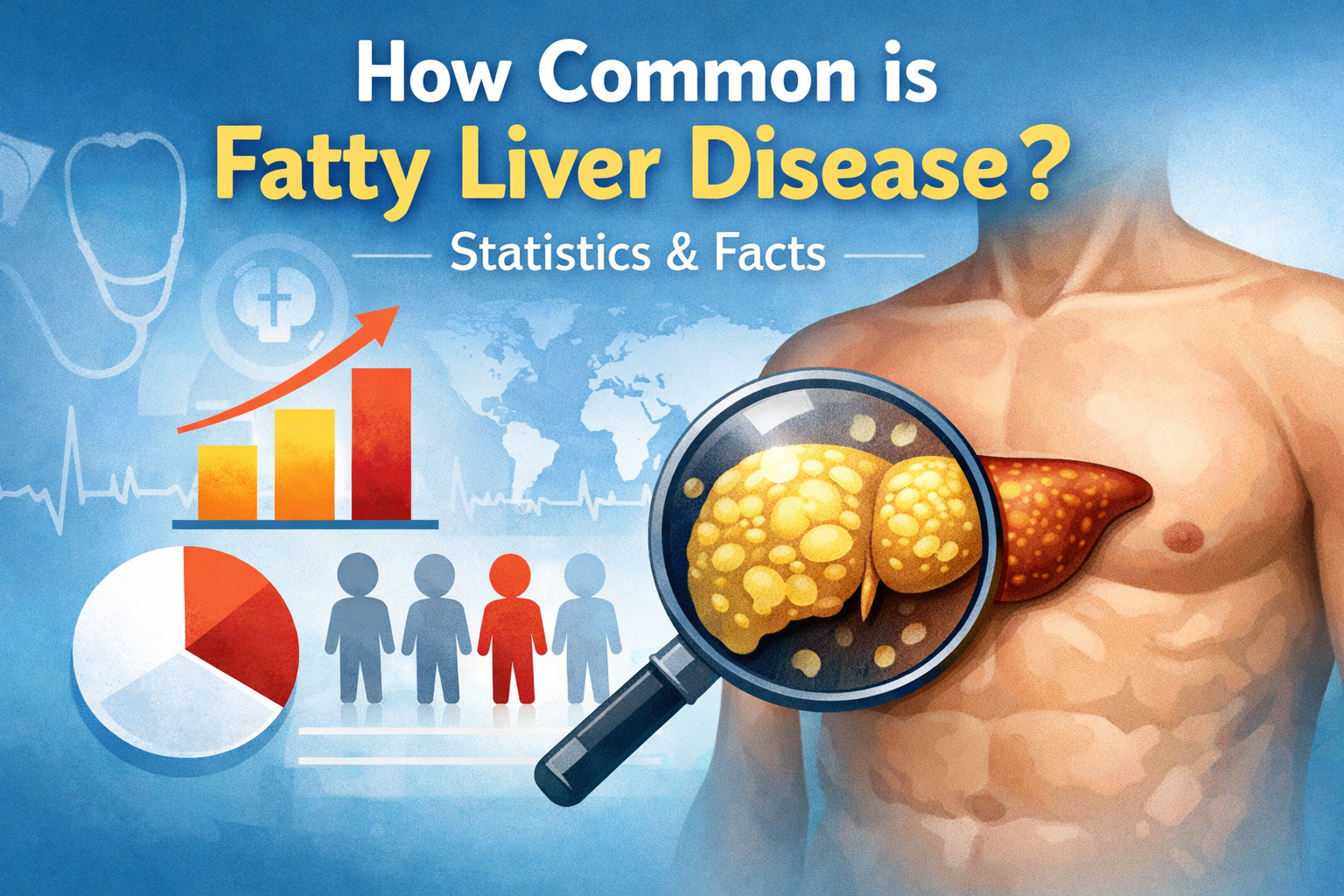
Here’s where things get eye-opening. Non-alcoholic fatty liver disease affects roughly one in four adults worldwide. That’s about 25% of the global population. To put that in perspective, if you’re in a room with four random adults, statistically one of them has fatty liver disease.
In the United States alone, approximately 100 million people are living with NAFLD. That’s nearly one-third of the American population. These numbers have been climbing steadily over the past few decades, and experts expect them to keep rising.
The prevalence varies by region. In Western countries like the United States and many European nations, rates hover around 25-30%. In the Middle East, some studies show rates as high as 30-40%. Even in Asia, where the condition was once less common, rates are climbing rapidly as lifestyles become more westernized.
The Numbers Behind Fatty Liver Disease Risk
Not everyone faces the same risk. Certain groups are much more likely to develop this condition, and understanding these patterns helps explain why it’s become so widespread.
People with obesity have significantly higher rates of fatty liver disease. Among individuals with a BMI over 30, the prevalence jumps to around 75-90%. That’s staggering when you consider that obesity rates themselves have tripled worldwide since 1975.
Type 2 diabetes is another major risk factor. About 50-70% of people with type 2 diabetes also have NAFLD. The connection between blood sugar problems and liver fat is strong and works both ways, with each condition making the other worse.
Age plays a role too. While fatty liver disease can affect anyone, including children, it becomes more common as we get older. The highest rates are typically seen in people between 40 and 60 years old.
Children and Fatty Liver: A Growing Concern
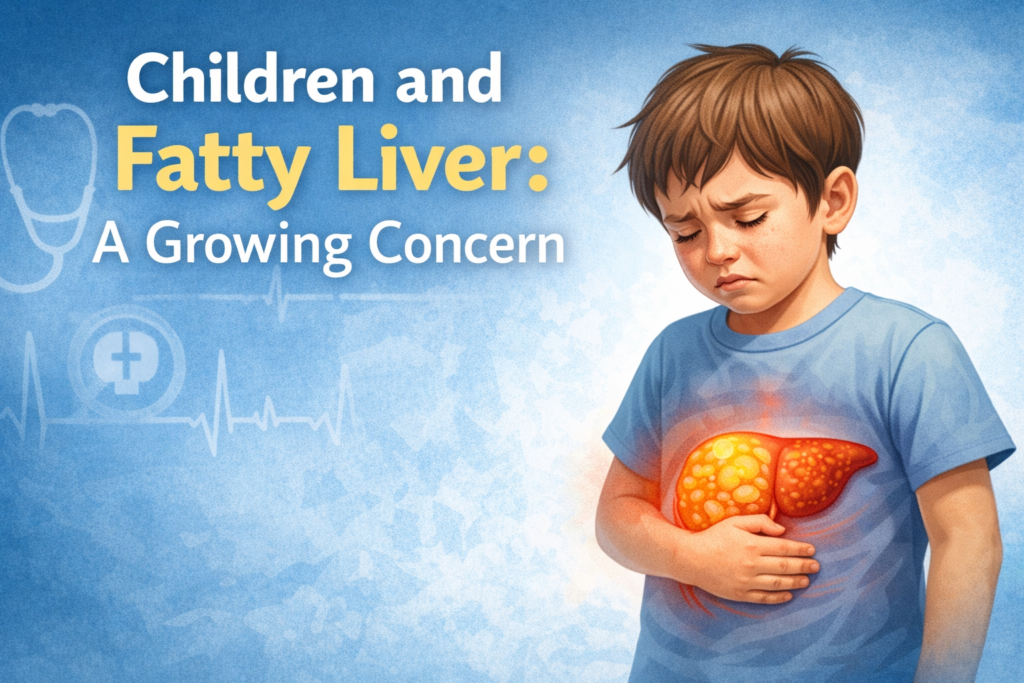
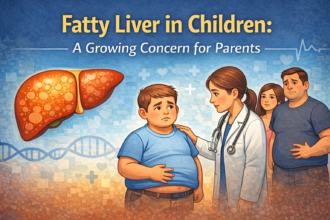
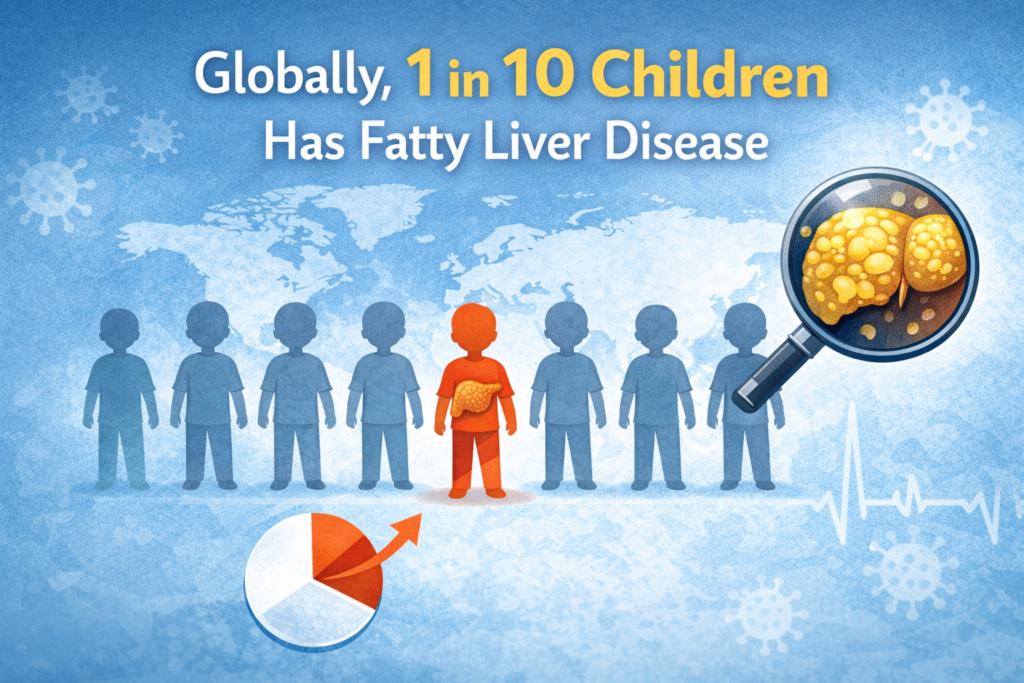
One of the most alarming trends is the rising number of children and teenagers with fatty liver disease. Childhood obesity has created a generation of young people facing liver problems that were once considered adult conditions.
Current estimates suggest that about 5-10% of children in the United States have NAFLD. Among children who are obese, that number skyrockets to 34-38%. Some studies report even higher rates among severely obese children, reaching up to 70%.
This matters because fatty liver disease in childhood can lead to serious liver problems earlier in life. Kids diagnosed with NAFLD today may face cirrhosis and liver failure in their 30s or 40s instead of their 60s or 70s.
The Serious Side: When Fatty Liver Gets Worse
Having a fatty liver is concerning, but the real worry is when it progresses to more serious stages. About 20-30% of people with simple fatty liver will develop NASH, which stands for non-alcoholic steatohepatitis. This is fatty liver with inflammation and liver cell damage.
NASH is more serious because it can lead to scarring of the liver, called fibrosis. From there, some people develop cirrhosis, which is severe, irreversible scarring. Cirrhosis can lead to liver failure and liver cancer.
Here are some sobering statistics. Among people with NASH, approximately 20-30% will develop significant fibrosis over 5-10 years. About 10-15% may eventually develop cirrhosis. Once you have cirrhosis from NAFLD, your risk of liver cancer increases substantially, with annual rates of 1-3%.
Economic and Healthcare Impact
The widespread nature of fatty liver disease creates a massive burden on healthcare systems. In the United States, the annual direct medical costs associated with NAFLD are estimated at over $100 billion. This includes doctor visits, medications, hospital stays, and liver transplants.
NAFLD has become one of the fastest-growing reasons for liver transplants in many countries. In the US, it’s now the second leading cause of liver transplantation and is expected to become the number one cause within the next few years.
Beyond direct medical costs, there are indirect costs too. People with fatty liver disease often miss work, have reduced productivity, and face decreased quality of life. When you add it all up, the total economic burden likely exceeds $200 billion annually in the United States alone.
Geographic and Ethnic Differences
Fatty liver disease doesn’t affect all populations equally. Hispanic Americans have the highest rates, with prevalence around 25-30%. Asian Americans also face higher risks, often developing the condition at lower body weights than other groups. African Americans, interestingly, have somewhat lower rates despite higher rates of obesity and diabetes, though scientists aren’t entirely sure why.
In Asia, the rapid economic development and lifestyle changes over recent decades have led to explosive growth in fatty liver disease cases. Countries like China, India, and South Korea have seen their rates double or triple in just 20-30 years.
Why the Numbers Keep Rising
Several factors explain why fatty liver disease has become so common. The obesity epidemic is the biggest driver. As more people carry excess weight, especially around their midsection, more people develop fatty liver.
Our modern lifestyle plays a huge role. We eat more processed foods high in sugar and unhealthy fats. We’re less physically active than previous generations. Many of us sit for most of the day at work or school. All of this contributes to weight gain and metabolic problems.
The rise in type 2 diabetes, itself driven by obesity and lifestyle factors, has also fueled the increase in fatty liver disease. These two conditions are so closely linked that they almost go hand in hand.
The Silent Nature of the Problem
One reason fatty liver disease has become so widespread is that it’s often completely silent. Most people with NAFLD have no symptoms at all. Your liver doesn’t have pain receptors, so it can be quite damaged before you feel anything wrong.
Many people only discover they have fatty liver disease by accident. Perhaps they have an ultrasound or blood tests for something else, and the doctor notices abnormalities suggesting fatty liver. By the time symptoms appear, such as fatigue, abdominal discomfort, or confusion, the disease may have already progressed to more serious stages.
This silent nature means the actual numbers might be even higher than current estimates. Many people with fatty liver disease simply haven’t been diagnosed yet.
Looking Ahead: Future Projections
Unfortunately, experts predict that fatty liver disease will continue to become more common. By 2030, some projections suggest that NAFLD could affect up to 33% of the global population. The number of people with advanced fibrosis or cirrhosis from NAFLD is expected to increase by 60-90% over the next decade.
This isn’t just about more cases. It’s about more severe cases too. As the population ages and more people live with obesity and diabetes for longer periods, we’ll likely see increasing numbers of people progressing to cirrhosis, liver failure, and liver cancer.
What These Statistics Mean for You
So what should you take away from all these numbers? First, fatty liver disease is extremely common, and you or someone you know may have it without realizing it. Second, while it often starts without symptoms, it can progress to serious liver damage in some people.
The good news hidden in these statistics is that fatty liver disease can often be reversed or prevented through lifestyle changes. Weight loss of just 7-10% of your body weight can significantly reduce liver fat. Regular exercise, a healthier diet, and managing conditions like diabetes can all make a real difference.
If you have risk factors like obesity, diabetes, or high cholesterol, talk to your doctor about checking your liver health. Early detection and intervention can prevent progression to more serious stages. Simple blood tests and imaging can identify fatty liver disease before it causes irreversible damage.
The Bottom Line
Fatty liver disease has quietly become one of the most common health conditions in the world, affecting one in four adults globally. These numbers reflect our changing lifestyles, rising obesity rates, and increasing prevalence of metabolic diseases. While the statistics are concerning, they also represent an opportunity. Unlike many health conditions, fatty liver disease can often be improved or reversed through lifestyle modifications. Understanding how common it is helps us recognize the importance of prevention and early intervention for ourselves and our loved ones.