- Understanding What "Reversal" Really Means
- The Science Behind Fatty Liver Reversal
- Can Fatty Liver Disease Be Reversed Through Weight Loss?
- The Role of Diet in Reversing Fatty Liver
- Exercise: A Powerful Tool for Liver Health
- How Long Does It Take to Reverse Fatty Liver Disease?
- What About Medications?
- Real Success Stories from Research
- When Reversal Isn't Complete
- Taking Action: What You Can Do Today
- The Bottom Line
If you’ve been diagnosed with fatty liver disease, or you’re worried you might have it, you’re probably asking yourself one crucial question: Can this be fixed? The short answer is yes, in many cases fatty liver disease can be reversed. But like most things in medicine, the full answer is a bit more complicated and depends on several factors.
Let’s explore what the science actually tells us about reversing fatty liver disease, what works, what doesn’t, and what you can realistically expect.
Understanding What “Reversal” Really Means
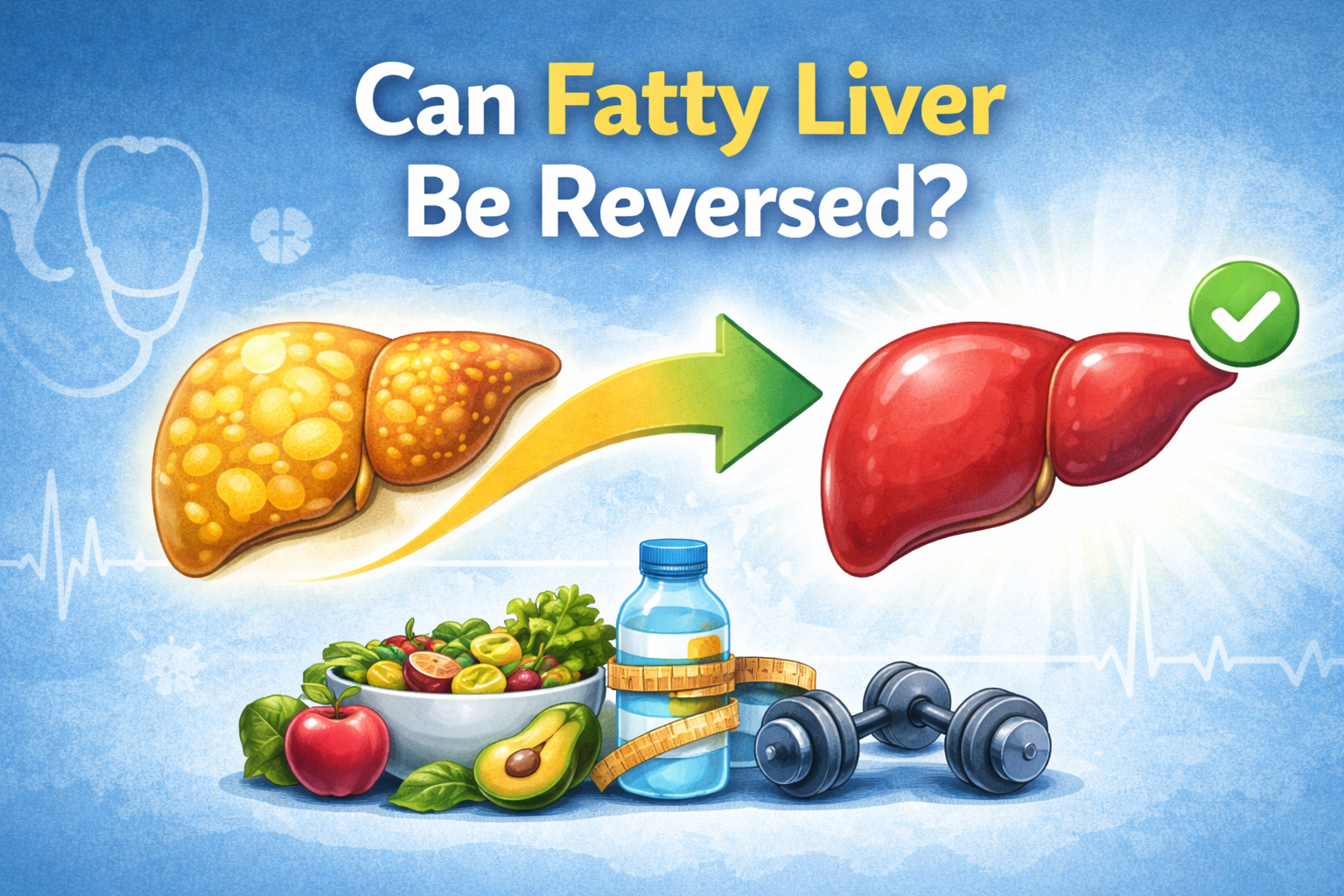
Before we dive into whether fatty liver can be reversed, we need to understand what reversal actually means. When doctors talk about reversing fatty liver disease, they’re referring to reducing the amount of fat stored in your liver cells and stopping or reversing any inflammation or damage.
In the early stages, when you just have excess fat in your liver without significant inflammation or scarring, reversal is very achievable. Your liver is remarkably resilient and can heal itself when given the right conditions. Think of it like cleaning out a cluttered room. If you just have too much stuff piled up but nothing’s broken, cleaning it out gets you back to normal.
However, if the disease has progressed to later stages with significant scarring or cirrhosis, complete reversal becomes much harder. While you can still stop further damage and improve liver function, advanced scarring is often permanent. It’s like trying to fix a wall that’s been damaged for years. You can prevent more damage, but some of the existing damage might be there to stay.
The Science Behind Fatty Liver Reversal
Multiple scientific studies have shown that fatty liver disease, particularly in its early stages, can be reversed through lifestyle changes. This isn’t just hopeful thinking. It’s backed by solid research using liver biopsies, imaging tests, and blood work.
One landmark study published in a major medical journal followed people with fatty liver disease who lost weight through diet and exercise. The results were impressive. Among those who lost 10% or more of their body weight, 90% saw resolution of their fatty liver. Even more encouraging, 45% saw reversal of NASH, the more serious inflammatory form of the disease.
Another study found that losing just 5% of body weight could reduce liver fat, while 7-10% weight loss could reduce inflammation. These aren’t huge, impossible numbers. For someone weighing 200 pounds, that’s 10-20 pounds. It’s challenging but absolutely doable.
Research using advanced imaging techniques has shown that liver fat can decrease significantly within just a few months of lifestyle changes. Some studies have documented meaningful improvements in as little as six to twelve weeks.
Can Fatty Liver Disease Be Reversed Through Weight Loss?
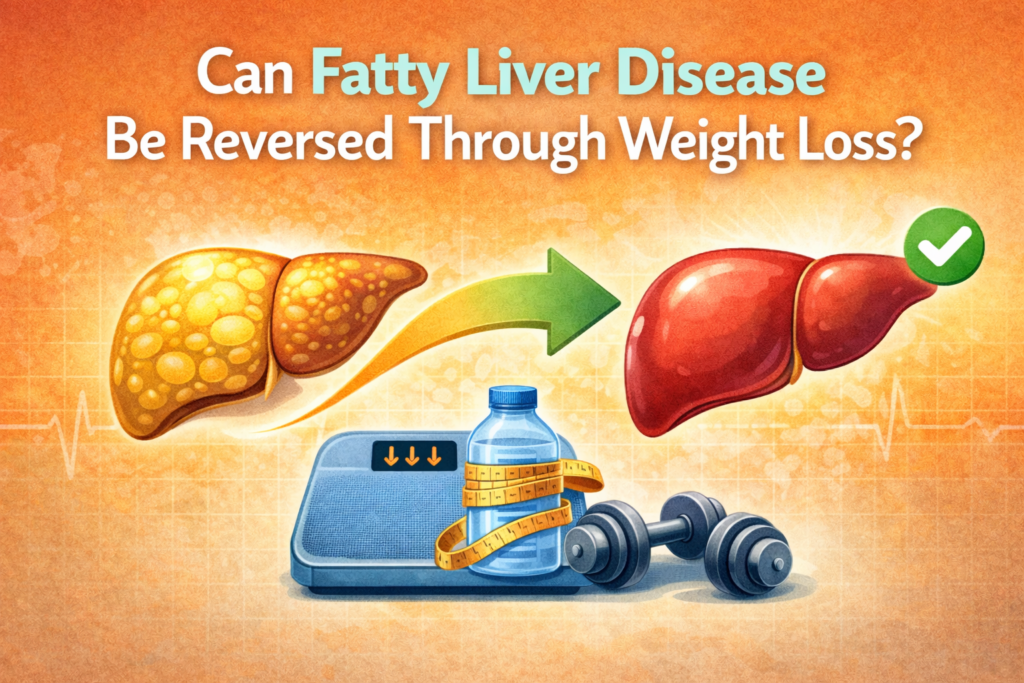
Weight loss is the most powerful tool we have for reversing fatty liver disease, and the science on this is crystal clear. When you lose weight, especially fat from around your organs and midsection, your liver naturally releases its stored fat.
Here’s what the research shows about how much weight loss you need. Losing 3-5% of your body weight can start to reduce liver fat. At 5-7% weight loss, you’ll see more significant reductions in liver fat and improvements in liver enzyme levels. When you hit 7-10% weight loss, you can expect substantial improvements, including reduced inflammation and even some reversal of early fibrosis.
The beautiful thing about this is that you don’t need to reach your “ideal” weight to see benefits. You don’t need to be thin. You just need to move in the right direction. A 250-pound person losing 20-25 pounds can see dramatic improvements in their liver health, even if they still have weight to lose.
The key is that the weight loss needs to be sustained. Yo-yo dieting, where you lose weight and then gain it back repeatedly, doesn’t give your liver the consistent environment it needs to heal. Slow, steady weight loss that you can maintain is far more effective than rapid weight loss that you can’t keep up.
The Role of Diet in Reversing Fatty Liver
What you eat matters just as much as how much you eat when it comes to healing your liver. Certain dietary changes have been specifically studied for their effects on fatty liver disease, and the results are encouraging.
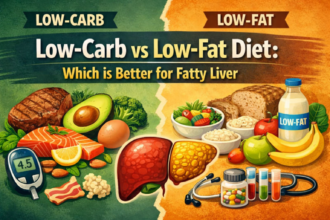
The Mediterranean diet consistently shows up in research as one of the best eating patterns for fatty liver. This diet emphasizes vegetables, fruits, whole grains, fish, olive oil, and nuts while limiting red meat and processed foods. Studies have shown that people following a Mediterranean diet see reductions in liver fat even without significant weight loss.
Reducing sugar, especially fructose from sugary drinks and processed foods, is particularly important. Your liver processes fructose differently than other sugars, and excess fructose gets converted directly into liver fat. Multiple studies have shown that cutting out sugary beverages alone can reduce liver fat within weeks.
Limiting refined carbohydrates like white bread, white rice, and pastries also helps. These foods spike your blood sugar and insulin, which promotes fat storage in the liver. Replacing them with whole grains and fiber-rich foods helps stabilize blood sugar and reduce liver fat accumulation.
Interestingly, research has also shown that coffee consumption is associated with lower rates of liver disease progression. Regular coffee drinkers, even just 2-3 cups per day, show better liver health markers. Scientists believe certain compounds in coffee have protective effects on the liver.
Exercise: A Powerful Tool for Liver Health
Exercise is another scientifically proven method for reversing fatty liver disease, and it works through multiple mechanisms. When you exercise, your body burns fat for energy, including fat stored in your liver. Exercise also improves insulin sensitivity, which helps prevent new fat from being deposited in the liver.
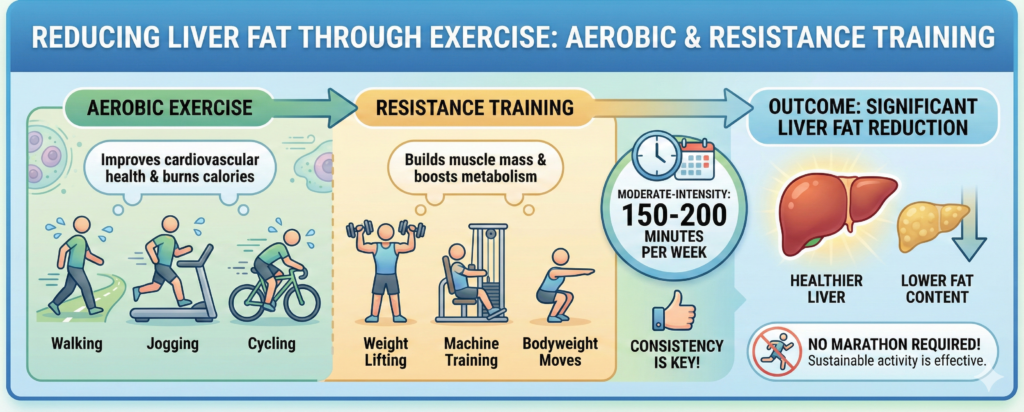
Studies have shown that both aerobic exercise like walking, jogging, or cycling and resistance training like weight lifting can reduce liver fat. You don’t need to become a marathon runner. Moderate-intensity exercise for 150-200 minutes per week has been shown to significantly reduce liver fat.
What’s particularly interesting is that exercise can reduce liver fat even without weight loss. One study had participants exercise regularly while maintaining their weight, and they still saw a 20-30% reduction in liver fat. This suggests that exercise has independent beneficial effects on the liver beyond just burning calories.
High-intensity interval training, where you alternate between intense bursts of activity and rest periods, has shown especially promising results in some studies. Just 20-30 minutes of this type of exercise three times per week led to significant reductions in liver fat in multiple research trials.
How Long Does It Take to Reverse Fatty Liver Disease?
This is one of the most common questions people ask, and the answer varies from person to person. However, research gives us some general timeframes to expect.
For reducing liver fat, you can see improvements relatively quickly. Some studies have shown measurable reductions in liver fat within 4-6 weeks of dietary changes and exercise. Blood tests showing liver enzyme levels often improve within 2-3 months of sustained lifestyle changes.
For reversing inflammation and early fibrosis, the timeline is longer. Most studies looking at NASH reversal examine people after 6-12 months of intervention. Significant improvements in inflammation typically take at least 6 months of consistent lifestyle changes.
For more advanced fibrosis, reversal takes even longer and may not be complete. Some research suggests that with sustained weight loss and healthy lifestyle changes, mild to moderate fibrosis can improve over 2-5 years. However, advanced fibrosis and cirrhosis may be largely irreversible, though further progression can often be stopped.
The key word throughout all of this is “sustained.” You need to maintain these changes over time. Your liver didn’t accumulate fat overnight, and it won’t release it overnight either. Think of it as a long-term project rather than a quick fix.
What About Medications?
Currently, there’s no FDA-approved medication specifically for treating fatty liver disease, though several drugs are in clinical trials. This might sound disappointing, but it actually reinforces an important point: lifestyle changes are the primary treatment because they work.
That said, treating related conditions with medication can help. If you have diabetes, getting your blood sugar under control with medication helps reduce liver fat. If you have high cholesterol, statins are generally safe and can be beneficial. Some diabetes medications, particularly certain newer ones, have shown promise in reducing liver fat as a side effect of improving blood sugar control.
Vitamin E has been studied for NASH and shows some benefit in non-diabetic patients, but it should only be used under medical supervision. Some studies suggest it can reduce inflammation, but the evidence is mixed, and high doses may have risks.
The bottom line is that while medications may play a supporting role, they can’t replace the fundamental lifestyle changes needed to reverse fatty liver disease. No pill can undo the effects of an unhealthy diet and sedentary lifestyle.
Real Success Stories from Research
Let’s look at some real outcomes from clinical studies to understand what’s possible. In one major trial, participants followed an intensive lifestyle intervention program with diet counseling and exercise guidance. After one year, 64% of those who lost at least 10% of their body weight saw complete resolution of NASH, and 90% saw improvement in fibrosis.
Another study followed people with fatty liver for two years. Those who maintained a 7-10% weight loss through diet and exercise showed not only reduced liver fat but also improvements in liver stiffness measured by specialized imaging. Many saw their liver function tests return to normal ranges.
Research on bariatric surgery patients, who typically lose large amounts of weight quickly, provides even more dramatic evidence. Studies following these patients with liver biopsies before and after surgery show that 70-80% experience complete resolution of fatty liver, and many see reversal of NASH and even early fibrosis.
These aren’t just statistics. They represent real people who reversed their liver disease through committed lifestyle changes.
When Reversal Isn’t Complete
It’s important to be realistic. Not everyone will achieve complete reversal, especially if the disease has progressed significantly. However, even partial improvement is valuable. Slowing or stopping disease progression prevents future complications like cirrhosis and liver failure.
If you have advanced fibrosis or cirrhosis, the goal shifts from complete reversal to stabilization and preventing further damage. The good news is that even at these advanced stages, lifestyle changes can significantly improve outcomes and quality of life.
Some people may have genetic factors or other health conditions that make complete reversal harder. If you’re doing everything right and not seeing the improvements you hoped for, don’t give up. Work closely with your doctor to adjust your approach and rule out other contributing factors.
Taking Action: What You Can Do Today
The science is clear: fatty liver disease can often be reversed, especially when caught early. Here’s what you can do starting today.
Start with small, sustainable changes rather than trying to overhaul everything at once. Cut out sugary drinks. Take a 20-minute walk after dinner. Add more vegetables to your meals. These small steps add up over time.
Set realistic weight loss goals. Aim for 1-2 pounds per week. This might sound slow, but it’s sustainable and gives your liver time to heal properly. Remember, losing 10% of your body weight over six months is an achievement worth celebrating.
Work with your healthcare team. Regular monitoring with blood tests and imaging helps track your progress and keeps you motivated. Your doctor can also help address any other health issues that might be affecting your liver.
The Bottom Line
Can fatty liver disease be reversed? Yes, and science proves it repeatedly. The liver’s ability to heal itself is remarkable when given the right conditions. Through sustained weight loss, healthy eating, regular exercise, and managing related health conditions, most people with fatty liver disease can significantly improve or completely reverse their condition.
The earlier you catch it and take action, the better your chances of complete reversal. But even if you have more advanced disease, positive changes can still make a meaningful difference. Your liver is resilient, and with consistent effort, it can heal. The question isn’t really whether reversal is possible. It’s whether you’re ready to make the changes necessary to give your liver the chance to heal itself.

One Comment