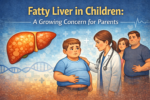
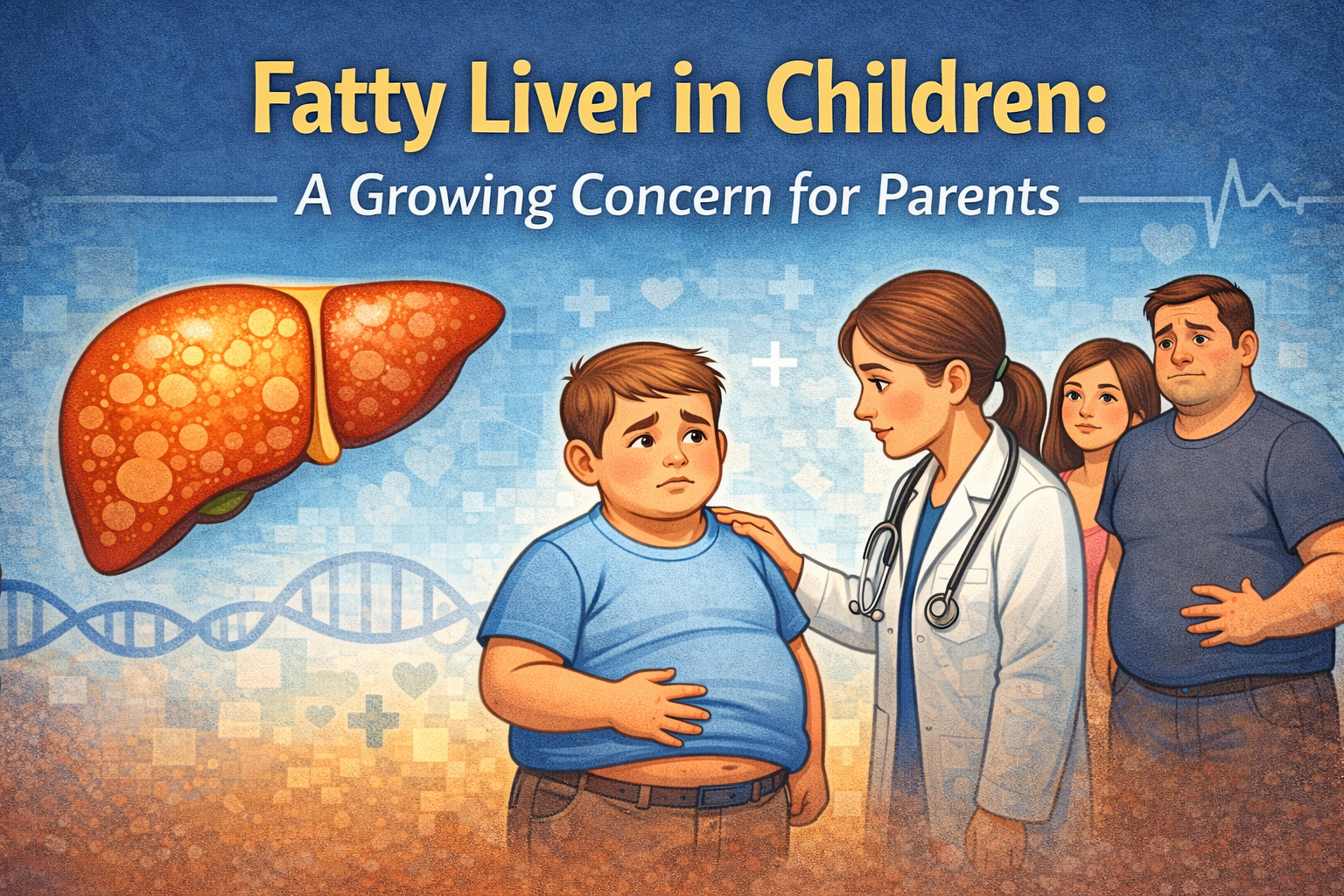
When my friend Sarah took her 10-year-old son to the pediatrician for a routine checkup, the last thing she expected to hear was that he had fatty liver disease. “Isn’t that something older adults get?” she asked, confused and worried. Unfortunately, she’s not alone in her surprise. Fatty liver disease in children has become shockingly common, and many parents have no idea their kids might be at risk.
Let me share what every parent needs to know about this growing health concern.
What Is Fatty Liver Disease in Kids?
Let’s start with the basics. Fatty liver disease, or what doctors call non-alcoholic fatty liver disease (NAFLD) in children, happens when too much fat builds up in the liver cells. A healthy liver contains a small amount of fat, but when fat makes up more than 5% of the liver’s weight, it becomes a problem.
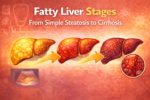
Think of your child’s liver as a filter and processing center for everything they consume. When it becomes clogged with excess fat, it cannot function properly. Over time, this can lead to inflammation and scarring, which doctors call non-alcoholic steatohepatitis, or NASH. In severe cases, it can even progress to permanent liver damage.
The scary part? Most kids with fatty liver don’t feel sick at all. There are usually no warning signs in the early stages, which is why so many cases go undetected until a routine blood test or checkup reveals something’s wrong.
How Common Is This Really?
Here’s what should get every parent’s attention: fatty liver disease now affects about 5-10% of all children in the United States. Among children with obesity, that number jumps to a staggering 34-40%. In some communities, the rates are even higher.
This wasn’t always the case. Twenty or thirty years ago, fatty liver in children was extremely rare. But rates have skyrocketed alongside childhood obesity rates. We’re now seeing 8-year-olds, 10-year-olds, even younger kids with a condition that used to be diagnosed almost exclusively in middle-aged adults.
The most common age for diagnosis is between 10 and 13 years old, and boys are affected more often than girls, at least until puberty. After that, the rates start to even out.
Why Are Kids Getting Fatty Liver Disease?
You might be wondering how this happens to children. The answer isn’t simple, but it comes down to a combination of factors that have changed dramatically in recent decades.
The biggest culprit is diet. Today’s kids are eating very differently than previous generations. Think about what many children consume regularly: sugary cereals for breakfast, juice boxes throughout the day, fast food for lunch, soda with dinner, and snacks filled with high-fructose corn syrup. The typical American diet is loaded with refined carbohydrates, added sugars, and processed foods that the liver struggles to handle.
Sugar, especially fructose, is particularly hard on the liver. Unlike glucose, which your entire body can use for energy, fructose gets processed almost entirely by the liver. When kids consume large amounts through soda, fruit juice, candy, and processed foods, their livers get overwhelmed and start storing the excess as fat.
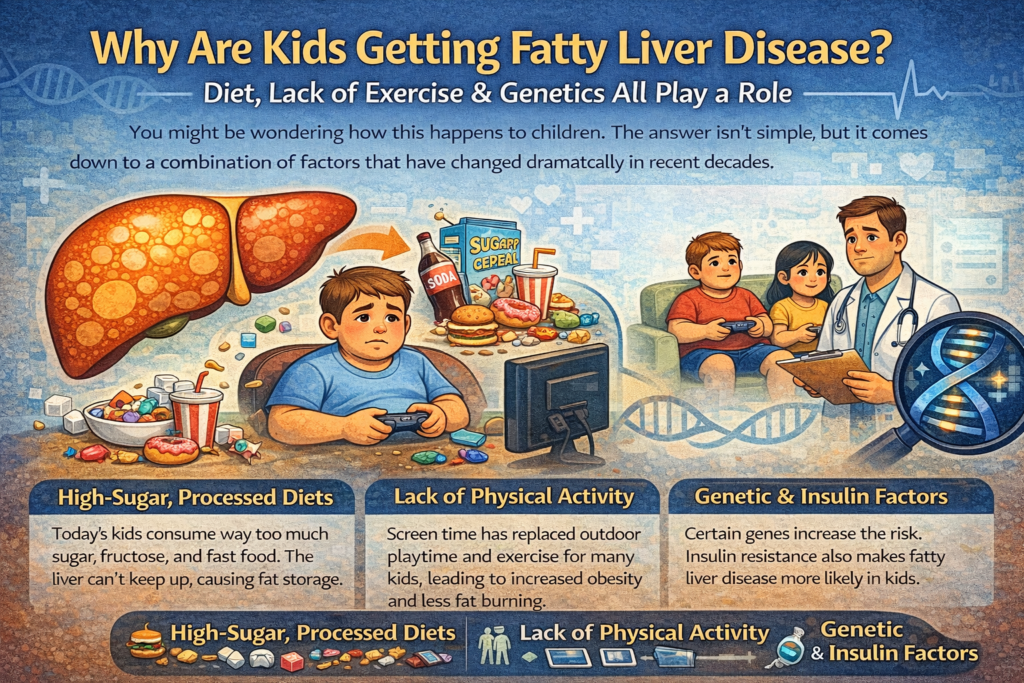
Physical activity has plummeted. When I was growing up, kids spent hours outside playing. Today, many children spend most of their free time on screens, whether it’s video games, social media, or streaming shows. Less movement means fewer calories burned and more fat storage.
Weight is a major factor. About 80% of children diagnosed with fatty liver disease are overweight or obese. But here’s something important: normal-weight kids can develop it too, especially if they carry extra fat around their belly or have poor dietary habits.
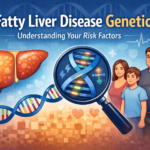
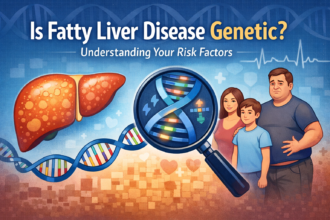
Genetics play a role. Some children are more susceptible to fatty liver disease because of their genes. Certain genetic variants affect how the liver processes and stores fat. Hispanic children have the highest rates, followed by Asian children, then white children, and African American children have the lowest rates, though they’re certainly not immune.
Insulin resistance is often lurking in the background. Many kids with fatty liver have trouble processing sugar properly, even if they don’t have diabetes yet. This insulin resistance creates a vicious cycle where the body stores more fat in the liver.
Warning Signs to Watch For
This is the tricky part. Most children with fatty liver disease have absolutely no symptoms. They feel fine, play normally, and seem perfectly healthy. That’s why it often gets discovered by accident during blood work for something else.
However, some children might experience:
- Fatigue or feeling tired more easily than other kids
- Vague discomfort or pain in the upper right part of the belly, where the liver sits
- Dark patches of skin on the neck or underarms (a sign of insulin resistance)
- In more advanced cases, a slightly enlarged liver that a doctor can feel during an exam
The problem is that these symptoms are pretty vague and could be caused by lots of things. That’s why knowing your child’s risk factors is so important.
Is Your Child at Risk?
Let’s talk about which children are most likely to develop fatty liver disease. Your child has a higher risk if:
They’re overweight or obese. This is the single biggest risk factor. Check your child’s body mass index (BMI) at their regular checkups. If it’s above the healthy range for their age, take it seriously.
They have a family history. If you, your partner, or other close relatives have fatty liver disease, diabetes, or metabolic syndrome, your child’s risk goes up. It’s not just about genes though, families also share eating habits and lifestyles.
Their diet is high in sugar and processed foods. Pay attention to how much soda, juice, candy, and junk food your child consumes. Those daily habits add up.
They’re not active. If your child spends most of their time sitting, whether at school, doing homework, or on screens, they’re at higher risk.
They have other health conditions. Type 2 diabetes, prediabetes, high cholesterol, or high blood pressure in a child are all red flags.
They’re of Hispanic or Asian descent. While any child can develop fatty liver, these populations have higher rates.
Getting a Diagnosis
If you’re concerned, talk to your child’s pediatrician. They’ll probably start with blood tests to check liver enzymes. Elevated enzymes can indicate liver inflammation, though normal levels don’t rule out fatty liver disease.
An ultrasound is the most common next step. It’s painless and can show whether there’s excess fat in the liver. Sometimes doctors use more advanced imaging like MRI or a special type called elastography to get a better picture.
In rare cases, a liver biopsy might be needed to see how much inflammation or scarring is present, but this isn’t common in children.
What You Can Do as a Parent
Here’s the good news that should give every parent hope: fatty liver disease in children is often reversible. The liver is remarkably good at healing itself when given the chance. Here’s how you can help:
Revamp your family’s diet. Notice I said family, not just your child. Singling out one child can make them feel bad and rarely works anyway. Make it a household change. Focus on whole foods: vegetables, fruits, whole grains, lean proteins like chicken and fish, nuts, and healthy fats from sources like avocados and olive oil.
Cut back dramatically on sugar. This is huge. Eliminate or severely limit soda and juice. Even 100% fruit juice, which sounds healthy, is loaded with fructose. Replace these with water and milk. Read labels on packaged foods and be shocked by how much added sugar is in everything from bread to pasta sauce.
Reduce processed foods. If it comes in a box or bag with a long list of ingredients you can’t pronounce, limit it. Home-cooked meals made from real ingredients are best.
Get your child moving. The recommendation is at least 60 minutes of moderate to vigorous physical activity every day for children. That might sound like a lot, but it doesn’t have to be structured exercise. Playing outside, riding bikes, swimming, dancing, sports, it all counts.
Make activity fun and do it together. Go for family walks after dinner. Have dance parties in the living room. Play basketball in the driveway. When kids see you being active, they’re more likely to join in.
Limit screen time. Set reasonable boundaries on TV, video games, phones, and tablets. Encourage activities that get kids up and moving instead.
Set realistic weight goals. If your child needs to lose weight, aim for slow, steady progress. In growing children, sometimes just maintaining their current weight while they get taller is enough. Work with your pediatrician to set appropriate goals.
Make sleep a priority. Research shows that poor sleep contributes to weight gain and metabolic problems. School-age children need 9-12 hours of sleep, and teenagers need 8-10 hours.
Be a role model. Kids do what we do, not what we say. If you’re eating chips on the couch while telling them to eat vegetables and go play outside, it won’t work. Make healthy changes together as a family.
The Emotional Side
Don’t underestimate how stressful this diagnosis can be for both you and your child. Kids might feel embarrassed, singled out, or worried. Teenagers especially might struggle with body image issues.
Be supportive and positive. Frame changes as family health improvements, not punishments or criticisms. Never shame your child about their weight or eating habits. Focus on health and feeling good, not appearance or numbers on a scale.
If your child is struggling emotionally, consider talking to a counselor who specializes in children and health issues.
When to Worry and When to Relax
Most children with fatty liver disease will improve with lifestyle changes. The liver can actually reverse fat accumulation when given the chance through better diet and more activity. Many kids who make these changes see improvement in their liver tests within 6-12 months.
However, work closely with your child’s doctor. They’ll monitor progress through regular blood tests and checkups. If fatty liver progresses despite lifestyle changes, there might be other underlying issues that need addressing.
The Bottom Line for Parents
Finding out your child has fatty liver disease can be scary. I get it. But it’s also a wake-up call and an opportunity to make changes that will benefit your child’s health for their entire life.
Remember, this isn’t about blame or guilt. We’re all navigating a food environment that’s very different from what previous generations faced. Processed foods are everywhere, portions are huge, and our kids are more sedentary than ever. You’re not a bad parent if your child develops fatty liver disease.
What matters is what you do moving forward. Small, consistent changes in diet and activity can make a real difference. You’re not just treating a liver condition, you’re teaching your child habits that will protect their health for decades to come.
Start with one change this week. Maybe it’s replacing soda with water, or taking a family walk after dinner, or cooking one more meal at home. Next week, add another change. Before you know it, these healthier habits will become your family’s new normal.
Your child’s liver and their future self will thank you.