- Understanding the Basics: What is NAFLD?
- The Two Faces of NAFLD: Simple Fatty Liver vs NASH
- The Critical Differences Between NAFLD and NASH
- How Do Doctors Tell Them Apart?
- Risk Factors: Who Gets NASH?
- Why the Distinction Matters: Implications for Your Health
- Taking Action: What You Can Do Right Now
- The Bottom Line
If you’ve been diagnosed with fatty liver disease or are researching liver health, you’ve likely encountered two confusing acronyms: NAFLD and NASH. While they sound similar and are related conditions, understanding the crucial differences between them could be vital for your health and treatment approach. This comprehensive guide will clarify what sets these conditions apart and why it matters for your long-term well-being.
Understanding the Basics: What is NAFLD?
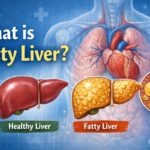
NAFLD stands for Non-Alcoholic Fatty Liver Disease. It’s an umbrella term that describes a range of liver conditions affecting people who drink little to no alcohol. The defining characteristic of NAFLD is the accumulation of excess fat in liver cells—specifically, when more than 5-10% of your liver’s weight consists of fat.
NAFLD has become remarkably common, affecting approximately one in four adults worldwide. In the United States alone, it’s estimated that 30-40% of adults have some form of NAFLD, making it the most prevalent chronic liver condition in the country. The rising rates parallel the increases in obesity, type 2 diabetes, and metabolic syndrome, all of which are closely linked to NAFLD development.
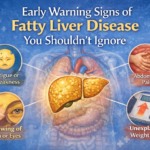
What makes NAFLD particularly challenging is that most people with the condition experience no symptoms, especially in the early stages. Many individuals discover they have NAFLD only when elevated liver enzymes show up on routine blood tests or when an ultrasound performed for another reason reveals a fatty liver.
The Two Faces of NAFLD: Simple Fatty Liver vs NASH
Here’s where it gets critical: NAFLD exists on a spectrum, and it can be divided into two distinct categories that have very different implications for your health.
Simple Fatty Liver (NAFL)
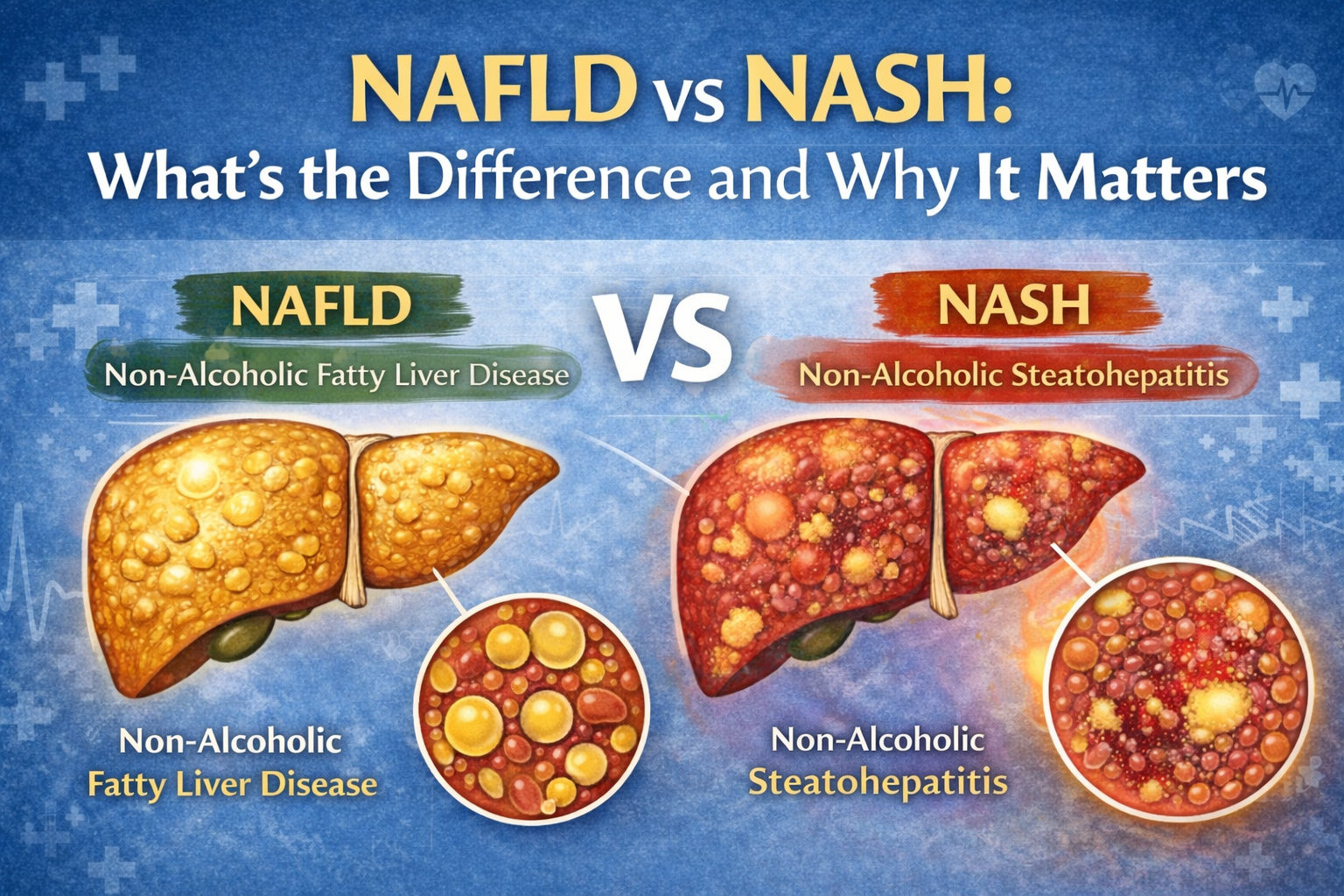
Simple fatty liver, sometimes called simple steatosis or NAFL (Non-Alcoholic Fatty Liver), represents the milder end of the NAFLD spectrum. In this condition, fat accumulates in your liver cells, but there’s minimal to no inflammation or damage to the liver tissue.
Think of simple fatty liver as a warning sign rather than an immediate threat. While it’s not ideal to have excess fat in your liver, if the condition remains at this stage and doesn’t progress, it typically won’t cause serious liver problems. Most people with simple fatty liver can live normal, healthy lives, especially if they make appropriate lifestyle modifications.
The encouraging news is that simple fatty liver is often reversible. With weight loss, dietary improvements, and increased physical activity, many people can significantly reduce or even eliminate the excess fat in their liver. The liver is a remarkably resilient organ with an impressive capacity to heal itself when given the right conditions.
NASH: When Fatty Liver Becomes More Serious
NASH stands for Non-Alcoholic Steatohepatitis. This is where the condition becomes more concerning. In NASH, you have not only fat accumulation in the liver but also inflammation and liver cell damage (hepatocyte injury). The “-itis” suffix in steatohepatitis means inflammation, just as it does in conditions like arthritis or appendicitis.
This inflammation and cellular damage distinguish NASH from simple fatty liver and make it a potentially serious condition. When your liver cells are inflamed and damaged, the liver attempts to repair itself by forming scar tissue. Over time, this process can lead to fibrosis (scarring), and if left unchecked, it can progress to cirrhosis, where the scarring becomes extensive and the liver’s ability to function is severely compromised.
Approximately 20-30% of people with NAFLD develop NASH. While this might sound like a minority, when you consider that millions of people have NAFLD, that translates to a substantial number of individuals at risk for serious liver complications.
The Critical Differences Between NAFLD and NASH
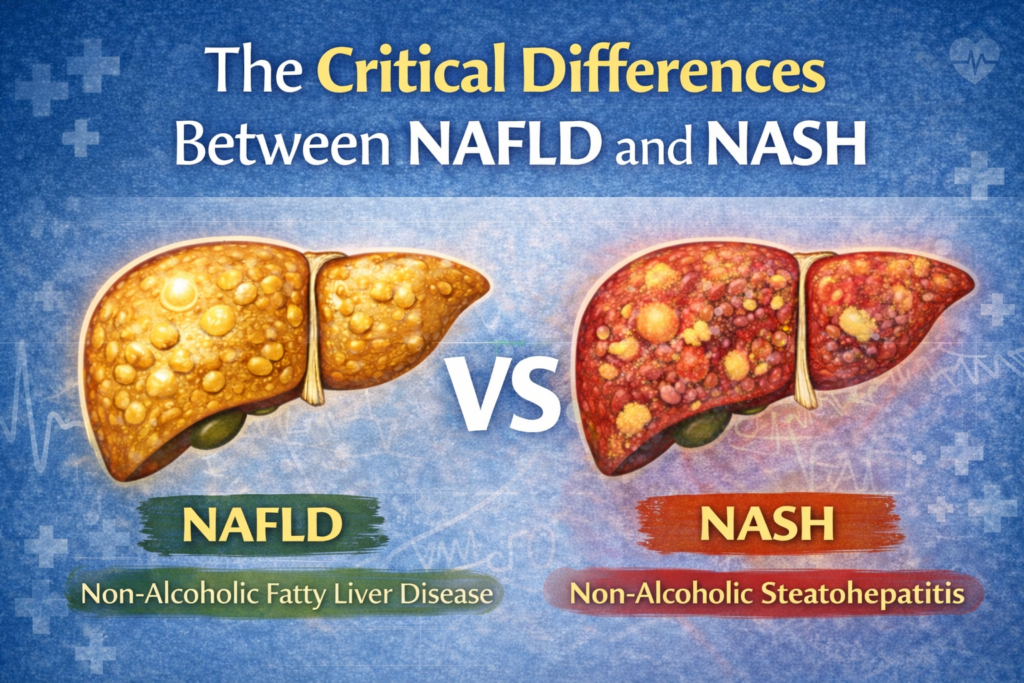
Understanding these key differences can help you grasp why distinguishing between the two conditions is so important:
Fat Alone vs Fat Plus Inflammation
In simple NAFLD, your liver contains excess fat, but the liver cells remain relatively healthy and functional. In NASH, not only is there fat accumulation, but your liver cells are inflamed and being actively damaged. This is the fundamental difference that drives all other distinctions between the conditions.
Risk of Progression
Simple fatty liver progresses to more serious liver disease in only a small percentage of cases. Many people maintain stable, simple fatty liver for years or even decades without complications. NASH, however, carries a significantly higher risk of progression. Studies suggest that 20-30% of people with NASH will develop cirrhosis over 10-15 years if the condition isn’t addressed.
Liver-Related Complications
People with simple fatty liver rarely develop liver failure or require liver transplantation. However, NASH is now one of the leading reasons for liver transplantation in the United States, and this trend is expected to continue rising. NASH-related cirrhosis can also increase the risk of liver cancer (hepatocellular carcinoma), even in people who haven’t developed cirrhosis.
Symptoms and Detection
Both conditions often produce no noticeable symptoms in their early stages. However, as NASH progresses and liver damage accumulates, symptoms may eventually develop, including persistent fatigue, abdominal discomfort, and in advanced cases, signs of liver dysfunction such as jaundice, fluid retention, and confusion.
Treatment Urgency
While both conditions benefit from lifestyle modifications, the urgency and intensity of treatment differ. If you have simple fatty liver, lifestyle changes are important to prevent progression, but the timeline is less critical. With NASH, early and aggressive intervention is crucial to halt the inflammatory process and prevent fibrosis from advancing to cirrhosis.
How Do Doctors Tell Them Apart?
Distinguishing between simple NAFLD and NASH can be challenging, which is part of what makes these conditions tricky to manage.
Blood Tests: Helpful but Not Definitive
Liver function tests measuring enzymes like ALT (alanine aminotransferase) and AST (aspartate aminotransferase) often show elevations in people with NASH, but not always. Some people with NASH have normal liver enzyme levels, while some people with simple fatty liver have elevated enzymes. This overlap means blood tests alone cannot definitively distinguish between the two conditions.
Newer blood tests and scoring systems are being developed to help predict the presence of NASH and fibrosis without a biopsy. These include the NAFLD fibrosis score, FIB-4 index, and various commercial panels. While helpful, these tools provide probability estimates rather than definitive diagnoses.
Imaging Studies: Useful but Limited
Ultrasound, CT scans, and MRI can all detect fat in the liver and can sometimes suggest the presence of fibrosis, but they cannot reliably distinguish simple steatosis from NASH. Advanced imaging techniques like MR elastography can measure liver stiffness, which correlates with fibrosis, but inflammation alone doesn’t always show up clearly on imaging.
FibroScan (transient elastography) has become increasingly popular as a non-invasive tool to assess liver stiffness and fat content. While it can’t diagnose NASH directly, it can help identify people who likely have significant fibrosis and therefore probably have NASH rather than simple fatty liver.
Liver Biopsy: The Gold Standard
Currently, liver biopsy remains the only definitive way to distinguish NASH from simple fatty liver and to assess the degree of inflammation, cellular damage, and fibrosis. During a biopsy, a small sample of liver tissue is removed and examined under a microscope by a pathologist.
The pathologist looks for specific features including fat accumulation (steatosis), inflammation (lobular inflammation), liver cell injury (hepatocyte ballooning), and scarring (fibrosis). These findings are typically scored using standardized systems like the NAFLD Activity Score (NAS) or the Steatosis, Activity, and Fibrosis (SAF) score.
However, liver biopsy is invasive, carries small risks (bleeding, infection, pain), and samples only a tiny portion of the liver, which may not represent the entire organ. For these reasons, doctors don’t perform biopsies on everyone with suspected NAFLD. Instead, they reserve biopsies for cases where the diagnosis significantly affects treatment decisions or when patients are being considered for clinical trials.
Risk Factors: Who Gets NASH?
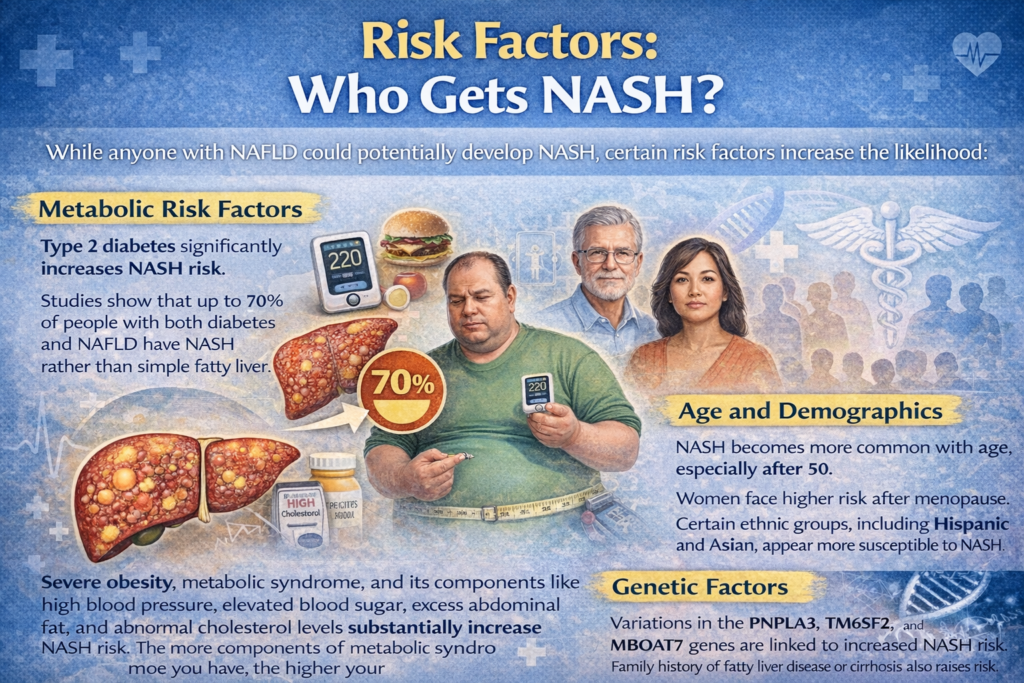
While anyone with NAFLD could potentially develop NASH, certain risk factors increase the likelihood:
Metabolic Risk Factors
Type 2 diabetes significantly increases NASH risk. Studies show that up to 70% of people with both diabetes and NAFLD have NASH rather than simple fatty liver. Severe obesity, particularly with excess abdominal fat, also strongly predicts NASH development.
Metabolic syndrome—a cluster of conditions including high blood pressure, elevated blood sugar, excess abdominal fat, and abnormal cholesterol levels—substantially increases NASH risk. The more components of metabolic syndrome you have, the higher your likelihood of having NASH.
Age and Demographics
NASH becomes more common with age, particularly after 50. Women may be at higher risk after menopause, when protective hormonal effects decline. Certain ethnic groups, including Hispanic and Asian populations, appear to have higher susceptibility to NASH.
Genetic Factors
Variations in certain genes, particularly PNPLA3, TM6SF2, and MBOAT7, have been associated with increased NASH risk. If you have a family history of fatty liver disease or liver cirrhosis, you may be at higher risk.
Why the Distinction Matters: Implications for Your Health
Understanding whether you have simple NAFLD or NASH has profound implications for your health trajectory and treatment approach.
Prognosis and Long-Term Outlook
If you have simple fatty liver and maintain it at that stage through lifestyle management, your long-term prognosis is generally excellent. Your liver function will likely remain normal, and you’re unlikely to develop serious liver complications.
If you have NASH, however, you face a different reality. Without intervention, NASH can progress through increasingly severe stages of fibrosis to cirrhosis. Once cirrhosis develops, the risk of liver failure and liver cancer increases substantially. NASH cirrhosis has become one of the fastest-growing indications for liver transplantation.
Beyond liver-specific outcomes, NASH is associated with increased cardiovascular disease risk. In fact, the leading cause of death in people with NASH isn’t liver disease—it’s heart disease. This underscores the systemic nature of the condition and the importance of comprehensive health management.
Treatment Approaches and Monitoring
If you have simple fatty liver, lifestyle modifications—weight loss, healthy diet, regular exercise—form the cornerstone of management. Your doctor will likely monitor your condition periodically with blood tests and possibly imaging, but intensive intervention may not be necessary if the condition remains stable.
With NASH, treatment becomes more urgent and comprehensive. While lifestyle modifications remain crucial (and can actually reverse NASH in many cases), your doctor may consider additional interventions. These might include medications to improve insulin sensitivity, vitamin E supplementation (in select cases), or enrollment in clinical trials testing emerging NASH therapies.
Monitoring also becomes more intensive with NASH. Your doctor will likely want to assess fibrosis progression more closely, potentially using FibroScan or other non-invasive tools regularly, and may recommend repeat biopsies in some cases to track the disease.
Clinical Trial Opportunities
If you have NASH with significant fibrosis, you may be eligible for clinical trials testing new medications. While no drugs are currently FDA-approved specifically for NASH, numerous promising therapies are in development. These trials offer access to potentially effective treatments before they’re widely available.
Taking Action: What You Can Do Right Now
Regardless of whether you have simple NAFLD or NASH, certain actions can improve your liver health and potentially reverse the condition.
Weight Loss: The Most Powerful Intervention
Studies consistently show that losing 7-10% of your body weight can significantly reduce liver fat. Losing 10% or more can reverse NASH and even improve fibrosis in many cases. The key is gradual, sustainable weight loss through a combination of dietary changes and increased physical activity.
Dietary Modifications
Focus on a whole-foods diet rich in vegetables, fruits, whole grains, lean proteins, and healthy fats. The Mediterranean diet has shown particular promise for fatty liver disease. Reduce intake of refined carbohydrates, added sugars (especially fructose from sweetened beverages), and saturated fats.
Regular Physical Activity
Exercise helps reduce liver fat even independent of weight loss. Aim for at least 150 minutes of moderate-intensity aerobic activity weekly, plus resistance training at least twice per week. Find activities you enjoy—consistency matters more than intensity.
Manage Associated Conditions
If you have diabetes, high cholesterol, or high blood pressure, work with your doctor to optimize control of these conditions. Improving metabolic health benefits your liver and overall wellbeing.
Regular Monitoring
Work with your healthcare provider to establish an appropriate monitoring schedule. This might include periodic blood tests, imaging studies, and assessments of fibrosis progression. Early detection of worsening disease allows for timely intervention.
The Bottom Line
While NAFLD and NASH are related conditions, they represent different points on a disease spectrum with distinct implications for your health. Simple NAFLD involves fat accumulation without significant inflammation or damage, while NASH adds inflammation and liver cell injury to the mix, creating a condition that can progress to serious liver disease.
Understanding which condition you have helps you and your healthcare team make informed decisions about treatment intensity, monitoring frequency, and the urgency of lifestyle modifications. If you have NASH, particularly with advancing fibrosis, aggressive intervention is crucial. If you have simple fatty liver, maintaining that stage through healthy lifestyle choices can help ensure your liver stays healthy for the long term.
The encouraging news is that both conditions often respond well to lifestyle modifications. Weight loss, healthy eating, regular exercise, and good management of metabolic conditions can make a profound difference. Whether you have simple NAFLD or NASH, taking action now can change your health trajectory and protect your liver for years to come.
If you’ve been diagnosed with fatty liver disease and aren’t sure whether you have NAFLD or NASH, talk to your doctor about further evaluation. Understanding your specific condition is the first step toward effective management and a healthier future.
Medical Disclaimer: This article provides general information about NAFLD and NASH and should not replace professional medical advice. If you have or suspect you have fatty liver disease, consult with a qualified healthcare provider for proper diagnosis and personalized treatment recommendations. Individual circumstances vary, and medical decisions should be made in consultation with your healthcare team.