
- Why Eating Out Can Be Tricky with Fatty Liver
- The Golden Rules for Restaurant Eating
- What to Order at Different Types of Restaurants
- The Salad Strategy
- Smart Drink Choices
- Dealing with Appetizers and Desserts
- Portion Control Strategies
- Special Requests That Actually Work
- The Social Side of Eating Out
- Fast Food Survival Guide
- When You Make a Not-So-Great Choice
- Making It Easier Over Time
- Final Tips for Success
- The Bottom Line
Let me tell you something that used to stress me out constantly – going out to eat with friends and family when you have fatty liver disease. I’d sit there scanning the menu, feeling anxious, wondering if everything would make my condition worse. Does this sound familiar?
Here’s the truth: you don’t have to give up eating out just because you have fatty liver. You just need to know what to look for and what to avoid. After years of figuring this out, I’m sharing everything I’ve learned about making liver-friendly choices at restaurants.
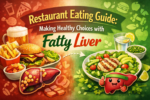
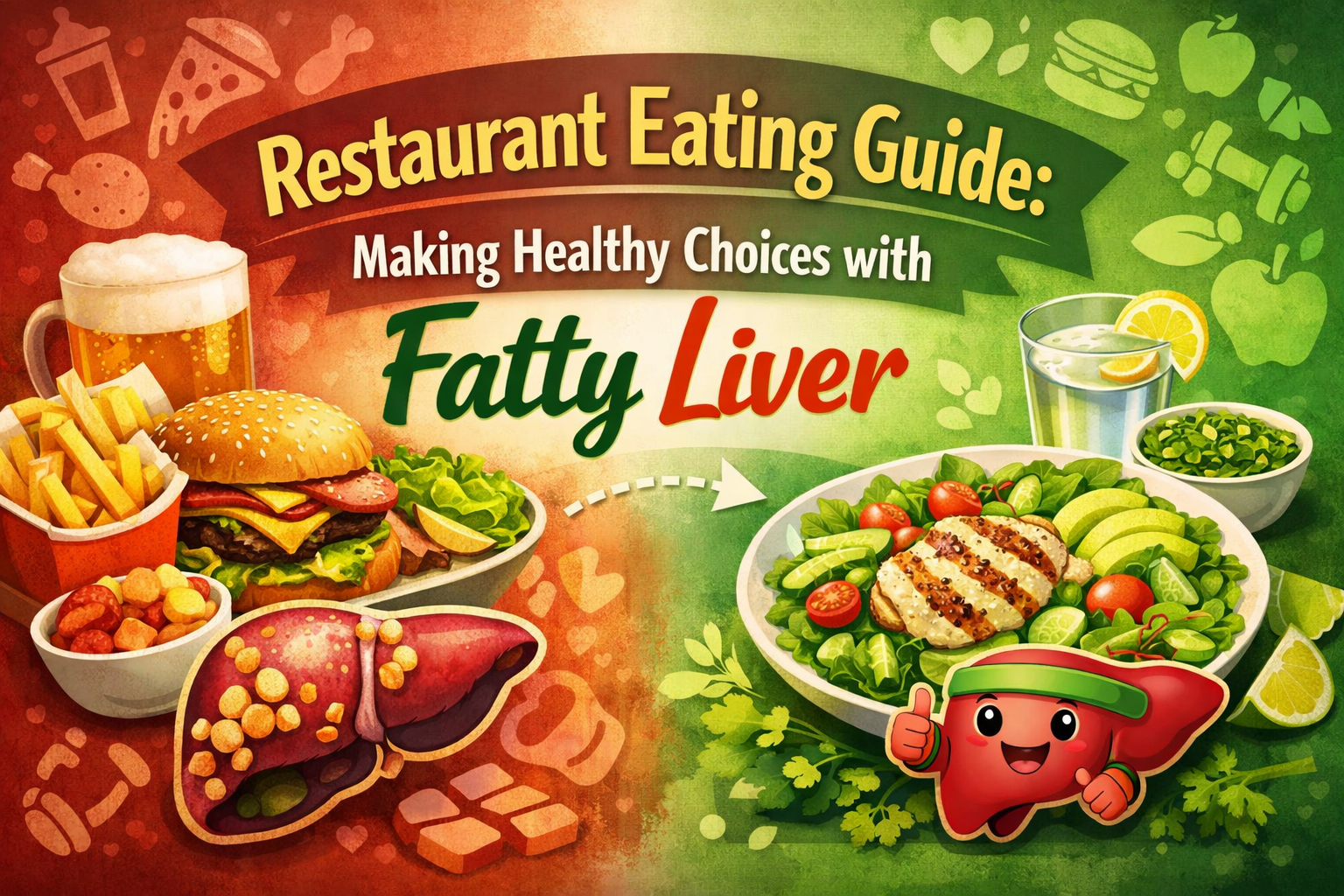
Why Eating Out Can Be Tricky with Fatty Liver
Restaurants aren’t exactly known for their health-conscious cooking methods. Most dishes are loaded with things your liver doesn’t love – extra butter, heavy cream sauces, fried everything, and way more salt and sugar than you’d use at home.
The portion sizes alone are enough to make your liver work overtime. That “normal” restaurant serving? It’s usually two or three times what you’d eat at home.
But here’s the good news – once you know what to look for, you can enjoy dining out without sabotaging your liver health.
The Golden Rules for Restaurant Eating
Before we dive into specific cuisines, let me share the basic principles that work at any restaurant.
Rule 1: Plan Ahead
Don’t wait until you’re starving and staring at a menu to make decisions. If you know where you’re going, look up the menu online beforehand. Most restaurants post their menus on their websites or apps.
I usually spend five minutes before heading out to pick two or three good options. This way, I’m not tempted by the photos of loaded nachos or deep-fried everything when I’m hungry.
Rule 2: Ask Questions
Don’t be shy about asking how food is prepared. Seriously, the server won’t think you’re annoying. They deal with dietary questions all day.
Ask things like:
- “Is this grilled or fried?”
- “Can I get the sauce on the side?”
- “How is the fish prepared?”
- “Can you cook this without butter?”
Most restaurants are happy to accommodate reasonable requests.
Rule 3: Load Up on Vegetables
Here’s a simple trick that works everywhere – fill at least half your plate with vegetables. Whether it’s a side salad, steamed broccoli, or grilled veggies, get those greens on your plate.
Vegetables are packed with fiber and antioxidants that help your liver. Plus, they fill you up so you’re less likely to overeat the heavier stuff.
What to Order at Different Types of Restaurants
Let’s get specific. Here’s what I’ve learned about navigating different cuisines.
American/Casual Dining
These places can be challenging because everything seems to be fried or smothered in cheese. But there are always good options if you know where to look.
Good Choices:
- Grilled chicken breast with a side salad and steamed vegetables
- Grilled salmon with sweet potato (ask them to go easy on the butter)
- Turkey burger without the bun, served with extra veggies
- Chicken or shrimp salad with dressing on the side
- Veggie omelet (ask them to use less cheese or skip it)
Skip These:
- Anything described as “crispy,” “golden,” or “breaded” (it’s fried)
- Loaded anything – loaded fries, loaded nachos, you get it
- Creamy pasta dishes
- Deep-fried appetizers
- Regular sodas and sweet tea
Asian Restaurants
Asian food can be fantastic for fatty liver if you order smart. The key is avoiding the deep-fried options and watching the sodium.
Good Choices:
- Steamed vegetables with chicken, shrimp, or tofu
- Vegetable stir-fry (ask for light oil and sauce on the side)
- Miso soup
- Sashimi (raw fish without the rice)
- Summer rolls (the fresh ones, not fried)
- Brown rice instead of white rice, but keep the portion small
Skip These:
- Anything described as “crispy” or “General Tso’s”
- Fried rice
- Egg rolls and spring rolls
- Sweet and sour dishes (loaded with sugar)
- Thick, sugary sauces
Pro tip: At Chinese restaurants, ask for your food steamed with sauce on the side. Many places will do this even if it’s not on the menu.
Italian Restaurants
Italian food is tough because pasta and bread are everywhere. But you can make it work.
Good Choices:
- Grilled fish or chicken with marinara sauce
- Garden salad with olive oil and vinegar
- Minestrone soup (vegetable-based)
- Chicken piccata (ask for light butter)
- Grilled vegetables as a side
Skip These:
- Cream-based sauces (Alfredo, carbonara)
- Fried calamari and mozzarella sticks
- Garlic bread
- Large pasta portions
- Meat-heavy lasagna
If you really want pasta, order a half portion or share with someone. Choose marinara or light olive oil-based sauces instead of cream sauces.
Mexican Restaurants
Mexican food doesn’t have to be off-limits. The key is avoiding the fried stuff and going easy on the cheese and sour cream.
Good Choices:
- Chicken or shrimp fajitas (skip the tortillas or use just one)
- Grilled fish tacos (soft corn tortillas)
- Black bean soup
- Ceviche (if you like raw fish)
- Salad with grilled chicken (skip the shell, get dressing on the side)
Skip These:
- Chips and queso (I know, it’s hard)
- Quesadillas
- Chimichangas (they’re basically fried burritos)
- Nachos
- Dishes loaded with sour cream and cheese
Ask for extra pico de gallo, lettuce, and tomatoes instead of cheese and sour cream. Most places are cool with substitutions.
Mediterranean/Middle Eastern
This is probably the easiest cuisine for fatty liver. Mediterranean food is naturally aligned with liver-healthy eating.
Good Choices:
- Grilled chicken or fish kebabs
- Greek salad with grilled chicken
- Hummus with vegetables (go easy on the pita)
- Lentil soup
- Grilled vegetables
- Tzatziki (cucumber yogurt sauce)
Skip These:
- Fried falafel (baked is better)
- Spanakopita (spinach pie – lots of butter)
- Excessive pita bread
- Baklava and other sweet desserts
Steakhouses
Steakhouses seem like they’d be terrible for fatty liver, but you can actually do okay here.
Good Choices:
- Grilled chicken or fish
- Small lean steak (filet mignon) with the fat trimmed
- Loaded salad (ask for dressing on the side)
- Steamed or grilled vegetables
- Baked sweet potato (skip the butter and marshmallows)
Skip These:
- Large fatty steaks
- Loaded baked potatoes
- Creamed spinach
- Onion rings
- Buttery sides
The Salad Strategy
Salads seem like the obvious healthy choice, but restaurant salads can be sneaky. Some of them pack more calories and fat than a burger because of all the toppings and dressing.
Make Your Salad Liver-Friendly:
- Start with dark leafy greens (spinach, kale, mixed greens)
- Add grilled chicken, salmon, or shrimp for protein
- Load up on vegetables – tomatoes, cucumbers, peppers, onions
- Add some nuts or seeds for healthy fats
- Choose olive oil and vinegar or lemon juice for dressing
- Get dressing on the side and use it sparingly
Avoid These Salad Add-Ons:
- Fried chicken or fried wontons
- Excessive cheese
- Candied nuts
- Creamy dressings (ranch, blue cheese, Caesar)
- Croutons
- Bacon bits
Smart Drink Choices
What you drink matters just as much as what you eat, especially with fatty liver.
Best Choices:
- Water (add lemon or lime for flavor)
- Unsweetened iced tea
- Hot tea
- Black coffee
- Sparkling water
Avoid:
- Regular soda (loaded with sugar)
- Sweet tea
- Fruit juices
- Alcohol (this is really important for fatty liver)
- Sweetened coffee drinks
If you’re used to drinking soda with meals, switching to water or unsweetened tea can make a huge difference for your liver health.
Dealing with Appetizers and Desserts
Appetizers
Most restaurant appetizers are basically designed to be unhealthy – fried cheese, loaded nachos, wings covered in sauce. But you have options.
Better Appetizer Choices:
- Shrimp cocktail
- Fresh vegetable platter
- Soup (broth-based, not cream-based)
- Small garden salad
Skip These:
- Anything fried
- Cheese-heavy options
- Loaded potato skins
- Wings with sugary sauces
Desserts
I’m not going to tell you to never have dessert. That’s not realistic. But you can make smarter choices.
Better Options:
- Fresh fruit
- Sorbet (smaller portions)
- Split a dessert with the whole table
- Coffee or hot tea instead
Limit These:
- Anything described as “decadent” or “rich”
- Fried desserts
- Large portions of cake or pie
- Ice cream sundaes
Here’s a trick I use: if everyone’s ordering dessert and I want to feel included, I’ll order coffee or hot tea. The warm drink makes me feel satisfied, and I don’t feel left out.
Portion Control Strategies
Restaurant portions are ridiculous. Even the “healthy” options are usually way too much food.
Ways to Control Portions:
- Ask for a to-go box when your food arrives and immediately pack half away
- Share an entrée with someone
- Order from the appetizer menu as your main course
- Ask for a half portion (some places will do this)
- Skip the bread basket entirely
I used to feel like I had to clean my plate because I paid for it. But then I realized paying for food and eating too much food are two separate issues. It’s okay to leave food on your plate or take it home.
Special Requests That Actually Work
Don’t be afraid to make special requests. Here are some that restaurants almost always accommodate:
- “Can I get extra vegetables instead of fries?”
- “Could you prepare this grilled instead of fried?”
- “Dressing/sauce on the side, please”
- “Can you use less oil/butter?”
- “I’d like to substitute the pasta for vegetables”
- “Could I get fruit instead of hash browns?”
Most servers are used to these requests. Just be polite about it.
The Social Side of Eating Out
One of the hardest parts about eating healthy at restaurants isn’t the food – it’s dealing with other people’s reactions.
You might get comments like:
- “Oh, you’re on a diet?”
- “Come on, live a little!”
- “One burger won’t hurt”
Here’s what I’ve learned: you don’t owe anyone an explanation. You can simply say “I’m trying to eat healthier” or “This is what works for me” and change the subject.
Most people will drop it. And the ones who don’t? They’re dealing with their own food issues and projecting them onto you.
Fast Food Survival Guide
Sometimes fast food is unavoidable. Maybe you’re traveling, or it’s a work lunch, or the kids really want to go. Here’s how to make it work.
Better Fast Food Choices:
- Grilled chicken sandwich (ditch half the bun)
- Side salad with grilled chicken
- Grilled nuggets instead of fried
- Apple slices or fruit cup
- Plain baked potato
Skip These:
- Anything super-sized
- Fried chicken sandwiches
- French fries
- Milkshakes
- Sugary drinks
Even at fast food places, you can usually swap fries for a side salad or fruit.
When You Make a Not-So-Great Choice
Let’s be real – you’re going to have meals where you don’t make perfect choices. It happens to everyone. Maybe it’s a special occasion, or you just really wanted that particular dish, or you made a choice you regret.
Don’t beat yourself up about it. One meal won’t undo all your progress. Just get back on track with your next meal.
The key is making good choices most of the time, not being perfect all the time.
Making It Easier Over Time
Here’s something that surprised me – making healthy choices at restaurants gets easier the more you do it.
At first, I felt deprived. I’d watch other people eating whatever they wanted and feel like I was missing out.
But after a few months, something shifted. I started to genuinely prefer how I felt after eating a grilled salmon salad compared to how I felt after eating fried food. The immediate satisfaction of fried cheese sticks wasn’t worth feeling sluggish and bloated afterward.
Your taste buds and preferences actually change when you consistently make healthier choices.
Final Tips for Success
Before You Go:
- Don’t arrive starving (have a small healthy snack beforehand)
- Look at the menu online
- Have a plan
At the Restaurant:
- Order first so you’re not influenced by others
- Drink water before your meal arrives
- Ask for what you need
During the Meal:
- Eat slowly and enjoy your food
- Put your fork down between bites
- Stop when you’re satisfied, not stuffed
After:
- Don’t stress about one meal
- Get back on track with your next meal
- Focus on the social experience, not just the food
The Bottom Line
Eating out with fatty liver doesn’t mean giving up your social life or never enjoying restaurant food again. It means being strategic about your choices and advocating for your health.
The more you practice ordering healthy options, the easier and more automatic it becomes. You’ll start to instinctively know what to look for on menus and what questions to ask.
Remember, restaurants want your business. Most are happy to accommodate reasonable requests to help you eat in a way that supports your health.
Your liver is working hard to keep you healthy. Making smart choices when eating out is one way you can support it in return.
And here’s the best part – when you consistently make liver-friendly choices, you’ll probably notice you feel better overall. More energy, less bloating, better sleep. Your whole body benefits, not just your liver.
So next time someone invites you out to eat, say yes. You’ve got this.
Disclaimer: This article provides general information and should not replace personalized medical advice from your healthcare provider. Always consult with your doctor or a registered dietitian for specific dietary recommendations for your condition.